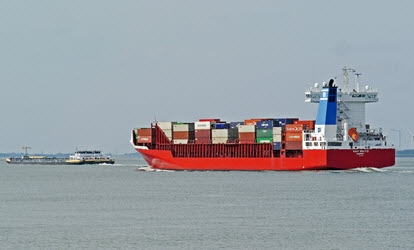
Tomorrow, the House Agriculture Committee, will hold a hearing on “The Immediate Challenges to our Nation’s Food Supply Chain” – i.e., supply chain issues. The hearing comes as food inflation, processing bottlenecks, and export backlogs are gaining more attention prior to news stories about the potential cost of Thanksgiving and holiday groceries. The U.S. Chamber of Commerce last week held a webinar on “Inflation in Food and Related Industries.” Concerns such as tractor part availability for planting season, reduced production of farm equipment due to equipment manufactures waiting on microchips, and even water availability in the west during this drought year are all supply chain kinks. He...



 What You Need to Know Today: New World screwworm is back in the headlines after new cases were found in a hunter-harvested elk in Texas and a beef cow in New Mexico. The detection in wildlife could further complicate containment efforts, as implementing effective biosecurity measures is consid...

 Cattle on Feed Expectations USDA’s monthly Cattle on Feed report that will show cattle inventory statistics as of 1 October will be released tomorrow, 23 October. Analysts’ pre-report consensus estimates are for the total inventory on feed to be 100.3 percent of last year, which imp...

 Key Takeaways: Dry bulk markets remain mixed with Capesize rates turning around from their recent weakness and posting solid gains on improved Chinese demand. Panamax vessels, on the other hand, saw rates decline amid greater tonnage availability in the South Atlantic and falling U.S. Gu...

From WPI Consulting
Weighing in on strategic realignment

WPI’s team was retained by the governing board of a U.S. industry organization to review a decision, reached by vote, to invest significant assets into the development and management of an export trading company. WPI’s team conducted a formal review of this decision and concluded that the current level of market saturation would limit the benefits of the investment. Based on WPI’s analysis and recommended actions, the board subsequently reversed its decision and undertook a strategic planning effort to identify more impactful investments. On behalf of numerous clients, WPI has not only assisted in identifying strategic paths but also advised their implementation.