Second thoughts in policymaking are usually better than no thought at all. If it is meant to be, it will. Almost two years ago European politicians agreed to end the selling of automobiles with internal combustion engines (ICE), and to slash the use of fertilizer (N-P-K) and pesticides in crop production. Now a few but powerful member states are having second thoughts about the ICE ban. No doubt it is tied to the number of workers employed in the industry. But if the ICE ban falls on concerns about jobs, doesn’t that mean making large reductions in fertilizer and pesticide use are at risk on food security rounds? After all, there has already been a proposed revision to previous limits on the number of livestock units...



 The big news in the cattle markets yesterday was Tyson Foods’ move to close two more beef plants. One of them, the Joslin, Illinois, plant was shuttered immediately after the announcement. The other, in Eagle Mountain, Utah, is a case-ready plant that does not slaughter cattle. Tyson also...

 The Bureau of Labor Statistics (BLS) released the Consumer Price Index (CPI) on Wednesday. In July, the CPI rose 0.1 percent, seasonally adjusted, and rose 3.4 percent over the last 12 months, not seasonally adjusted. The index for all items less food and energy, or the “core” infla...
 We have described the long-term investment climate in crop and livestock production, using data primarily from the Bureau of Economic Analysis (BEA). The data provided background on the current investment climate and outlook for agricultural capital formation. Our conclusion was that investment...

 Yesterday, the USDA released its monthly World Supply and Demand Estimates (WASDE), forecasting tighter beef and pork supplies and growing broiler supplies, resulting in a tighter red meat supply. Broiler production, however, continues to grow and is forecast to be up more than 3 percent. Beef...

From WPI Consulting
Forecasting developments in production agriculture
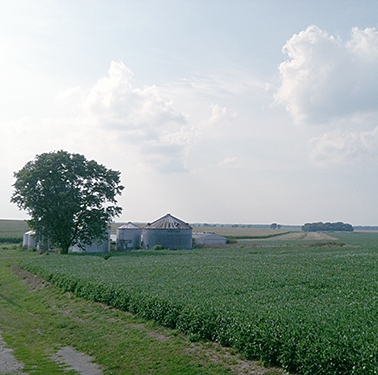
On behalf of a private U.S. agricultural technology provider, WPI’s team generated an econometric model to forecast the movement of concentrated corn production north and west from the traditional U.S. Corn Belt. WPI’s model has subsequently provided quantitative support to a multi-million-dollar investment into short-season corn variety development. WPI’s methodology included a series of interviews with regional grain elevators and seed consultants. Emphasizing outreach and communication with stakeholders who possess intimate sectoral knowledge – on-the-ground insights – is a regular component of WPI’s methodologies, made possible by WPI’s ever-growing network of industry contacts.