India Offer to U.S. New Delhi and Washington would both like to have a trade deal by the time President Trump visits India on 24-25 February and India is making offers. According to Reuters, India has offered to reduce its tariff on chicken legs from 100 percent to 25 percent and make other concessions on turkey, dairy, blueberries and cherries. However, the U.S. reportedly wants the duty on chicken down to 10 percent. There is still the risk that India would opportunistically ban imports of U.S. poultry whenever there is an outbreak of low pathogenic avian influenza or some other minor disease. An agreement also needs to be able to enforce India’s adoption of the regionalization approach to animal diseases. India’s import requ...


 What You Need to Know Today: Cattle futures extended their sharp selloff Friday as weakening cash cattle prices, deteriorating feedlot profitability, and reduced packer demand continued to weigh on the market. The inability of futures to sustain a rally following last week's bullish Cattle on...


 As predicted, the Federal Reserve held rates steady at the last meeting before the midterm elections, likely in part because of the election (see WPI 19 October and 22 September). The decision comes at the tail end of a midterm election cycle that has been marked by the two parties campaigning...
 Key Takeaways: The tariff burden rose sharply in 2025 and 2026: the effective rate on imports in HTS Chapters 1–24 increased from 1.53 percent in 2024 to 6.11 percent in 2025, before averaging 5.68 percent in January–August 2026. Headline rates tell only part of the story: exemptio...

From WPI Consulting
Forecasting developments in production agriculture
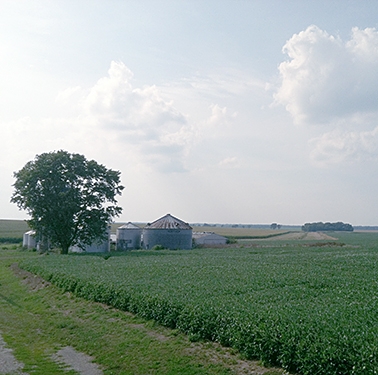
On behalf of a private U.S. agricultural technology provider, WPI’s team generated an econometric model to forecast the movement of concentrated corn production north and west from the traditional U.S. Corn Belt. WPI’s model has subsequently provided quantitative support to a multi-million-dollar investment into short-season corn variety development. WPI’s methodology included a series of interviews with regional grain elevators and seed consultants. Emphasizing outreach and communication with stakeholders who possess intimate sectoral knowledge – on-the-ground insights – is a regular component of WPI’s methodologies, made possible by WPI’s ever-growing network of industry contacts.