
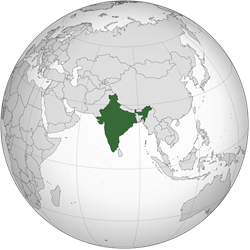
The WTO just completed its trade policy review of India and it affirmed what is already known by that nation’s trading partners…India continues to rely on tariffs, minimum import prices, import restrictions, and licensing… with frequent changes that create uncertainties for traders. India is also the WTO’s most active user of antidumping measures. The government is expected to announce this week additional tariff increases with the goal of promoting self-sufficiency. Even when India “cuts” tariffs it creates other import prohibitive policies. New Delhi announced that the duty on crude palm oil imports would be cut by 12.5 percent to 15 percent, and the duty on soyoil and sunoil imports would be d...



From WPI Consulting
Illuminating the value of technical research

On behalf of a commodity producer organization, WPI evaluated the outputs from a project that featured a $5 million investment into technical research over multiple years. WPI’s team captured the results of this extensive effort and synthesized them for presentation to the organization’s governing board; among the findings uncovered and presented for the first time was the development of genomic traits proven, via rigorous testing, to provide crop yield advantages of 50 percent or more to U.S. farmers in times of drought. Capturing measurable results from long-term efforts can be challenging. Educating clients on the dynamics of success measurement when quantifiable results are not readily available requires deep client-consultant collaboration and an ability to consider both near- and long-term client aspirations with market/policy dynamics – attributes that WPI brings to every consulting engagement.