


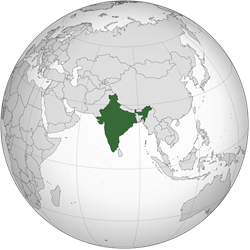
Rabi Sowing Down As of 18 January 2019, the total rabi planted area was down 4.8 percent versus 2017/18. While wheat is among the crops affected, pulses and coarse cereals, most especially pearl millet, are down significantly (see table below). The overal oilseed area has been good, however, as those crops are down just 0.9 percent with mustard/rapeseed the only one showing an increase and sunflowers suffering the greatest decrease within that category.
This drop in rabi area may be one reason why prices of the key crops that have alternate uses are rising. An example of this is pearl millet, which is a coarse grain grown in North India that is mostly used as food and in feed. It’s inclusion rate in poultry feed rations could be 1...


 What You Need to Know Today: Chinese President Xi Jinping arrived at the White House today as part of a highly anticipated three-day visit to the United States, marking his first visit to Washington in eleven years. Trade is expected to feature prominently in discussions with President Trump,...


 Key Takeaways: The United States shifted from a decades-long agricultural trade surplus to a growing deficit, reaching roughly forty-one to forty-four billion dollars in recent fiscal years, a structural change rather than a cyclical dip. Brazil has overtaken the United States as the leading s...
 Key Takeaways: Dry bulk markets are steady/firmer this week with Handysize vessels making the biggest gains. In particular, strong grain demand has improved Handysize rates, along with charterers dipping down into the smaller vessel classes after the recent Panamax and Supra/Ultramax ral...

