

Wheat Crop Damaged as Rains Lash North and Northwestern Regions With the wheat procurement target fixed at 30-32 MMT, the recent wet spell in North and Northwestern India has jeopardized the wheat procurement program in Punjab, Haryana, Uttar Pradesh and parts of Gujarat. As of 12 April, the total procurement was 2.2 MMT.Last week some parts of the wheat belt witnessed unseasonal rains and even hailstorms, according to the Indian Meteorological Department (IMD), and the conditions may continue over the next few days. Both farmers and the government are worried as the weather will not only delay the harvest but also damage the wheat crop, reducing its quality. Regardless, the Indian government (GOI) will have to procure the wheat, even th...



 Russian Grain Markets: 12–16 October 2026 During the week in review, the Russian grain market began recovering after an extended decline driven largely by Black Sea logistics bottlenecks, a good crop and weaker global demand in traditional Russian markets. Russia is beginning to harvest c...
 What You Need to Know Today: Corn and soybeans were under heavy selling pressure as weaker (or at least as-expected) export demand runs into an accelerating harvest pace with more grain available in the spot market. Corn and soybean harvest progress remains below average across the U.S., espec...

From WPI Consulting
Forecasting developments in production agriculture
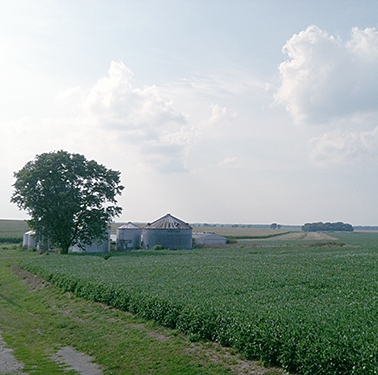
On behalf of a private U.S. agricultural technology provider, WPI’s team generated an econometric model to forecast the movement of concentrated corn production north and west from the traditional U.S. Corn Belt. WPI’s model has subsequently provided quantitative support to a multi-million-dollar investment into short-season corn variety development. WPI’s methodology included a series of interviews with regional grain elevators and seed consultants. Emphasizing outreach and communication with stakeholders who possess intimate sectoral knowledge – on-the-ground insights – is a regular component of WPI’s methodologies, made possible by WPI’s ever-growing network of industry contacts.