
IPEF Blah, TTC Heat USTR Katherine Tai achieved agreement over the weekend on language focused on supply chains in the Indo-Pacific Economic Framework for Prosperity. However, it is all a bit boring. Basically, countries agreed to a process to talk and “work together” on issues. Meanwhile, the transatlantic Trade and Technology Council meets again starting tomorrow in Sweden. Some are pushing for language addressing forced labor, which is low-hanging fruit, but the hot underlying issue is how to converge transatlantic positions on addressing China? African Woes Kenya’s Court of Appeals continues to block the government’s proposal to liberalize imports of GMO foods. The technical acceptance of GMO’s is...



From WPI Consulting
Infrastructure investment due diligence
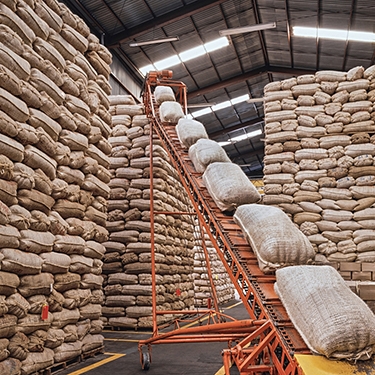
On behalf of a Canadian oilseed processer WPI's team provided market analysis, econometric modeling and financial due diligence in support of a $24 million-dollar investment in a Ukrainian crush plant. Consistent with WPI's findings, local production to supply the plant and the facility's output have expanded exponentially since the investment. WPI has conducted parallel work on behalf of U.S., South American and European clients, both private and public, in the agri-food space.