
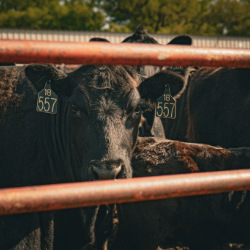
Monday was Labor Day, the traditional end to the summer grilling season and high demand for cattle. Additionally, it marks the calendar end of summer heat and a transition into more moderate temperatures. As such, the next two months are the largest marketing periods of the year for feeder cattle. Weather is an influence on the market for feeder cattle. The grain-growing regions in the Southern Plains, where many cattle are grazed on winter wheat, are dry. Planting fields requires rain for planting and to give crops a chance to grow over the winter. Cow-calf producers are hesitant about acquiring an inventory of cattle for winter grazing until they have more confidence in the existence of viable forage for grazing. Additionally, for feeders...


 What You Need to Know Today: USDA cut the 2026 corn yield forecast by 1.6 BPA to 179.6, shaving 141 Mbu off the crop. Corn ending stocks were cut by 91 Mbu to a level that pushed the ending stocks-to-use (ESU) ratio to 10.8 percent. Conversely, USDA raised the soybean yield forecast 0.2 BPA to...

 Key Takeaways: Expanding U.S. soybean crushing capacity is strengthening domestic demand, driven largely by growing soyoil consumption from the renewable diesel and biofuels industries. Despite increased domestic processing, substantial quantities of U.S. soybeans are expected to remain availa...

From WPI Consulting
Infrastructure investment due diligence
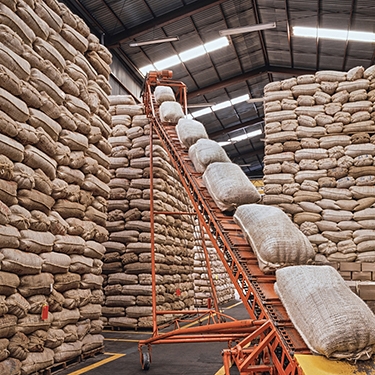
On behalf of a Canadian oilseed processer WPI's team provided market analysis, econometric modeling and financial due diligence in support of a $24 million-dollar investment in a Ukrainian crush plant. Consistent with WPI's findings, local production to supply the plant and the facility's output have expanded exponentially since the investment. WPI has conducted parallel work on behalf of U.S., South American and European clients, both private and public, in the agri-food space.