
FX and Brazilian Pork Currency fluctuations are impacting the Brazilian pork sector -- for the better. The average price of pork in Brazil in March was $2.67 per kilo, which is lower than $2.75 in February and $2.85 in March 2011; however, in Brazilian reals, pork prices in March averaged 4.79 reals per kilo, 1.1 percent more than in February, when the average was 4.74 reals per kilo. Overall, in U.S. dollars, revenue was up 28 percent in March over February and up 2 percent over March 2011; in domestic currency, revenues were up 33 percent. Export shipments from Brazil were up nearly 32 percent in March compared to February and 8.8 percent more than in March 2011. This was a pleasant surprise for a sector that had anticipated...



 Key Takeaways: President Trump announced $8 billion in additional agricultural assistance through the Harvest Fuel Relief Program, as USDA projects farm fuel and oil expenses will increase 28.8 percent in 2026. The package follows $12 billion in earlier relief, while government farm payments w...

 Key Takeaways: A student group from the University of Chicago is protesting to bring back onion futures trading. Trading in onion futures was banned in 1958 following a spectacular bout of market manipulation that resulted in a corner of the physical market. The ban on onion futures led t...
 Beef packer margins deteriorated to $141/head last week, down $55 from the prior week as fed cattle prices strengthened while the Choice cutout remained nearly unchanged. The cutout held near $373/cwt while fed cattle prices climbed $4/cwt to $224/cwt, narrowing processor profits. Despite the d...

From WPI Consulting
Infrastructure investment due diligence
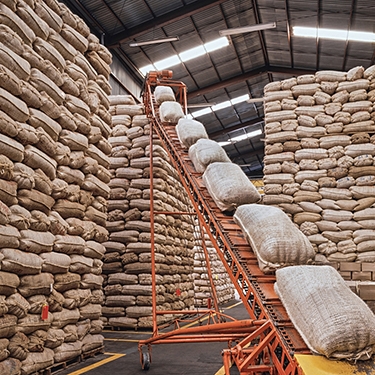
On behalf of a Canadian oilseed processer WPI's team provided market analysis, econometric modeling and financial due diligence in support of a $24 million-dollar investment in a Ukrainian crush plant. Consistent with WPI's findings, local production to supply the plant and the facility's output have expanded exponentially since the investment. WPI has conducted parallel work on behalf of U.S., South American and European clients, both private and public, in the agri-food space.