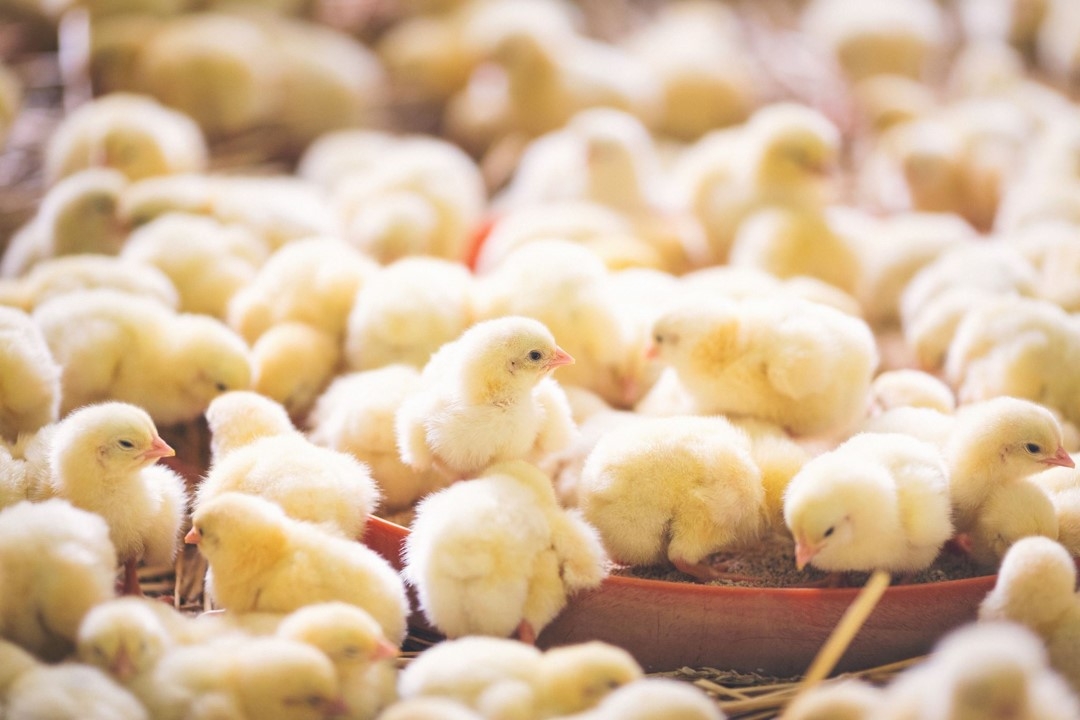
Hatcheries set 242.69 million eggs in incubators during the week ending 28 September, up 6.1 percent from a year ago. So far this year, egg sets are up 1.9 percent over last year, and to date through the second half of the year are up 3.5 percent.
Last year, eggs set started trendng lower in July as integrators managed production through October. This year, expansion has continued, though there are indications of some seasonal slow down. Despite the higher egg sets, hatchabilty remains a persistent problem; last week hatchablity was 79.8 percent. Hatchability is calculated by dividing chicks hatched during the week by eggs set three weeks earlier. Rates have slumped since 2021; prior to that hatchabiliy typically ran between 81 and 82 pe...



 What You Need to Know Today: Russia rejected calls for a ceasefire in the Black Sea, including a proposal to halt attacks on civilian shipping that could help restore grain flows from Ukrainian ports. Tyson Foods announced plans to permanently close its Joslin, Illinois, beef processing facili...
 The big news in the cattle markets yesterday was Tyson Foods’ move to close two more beef plants. One of them, the Joslin, Illinois, plant was shuttered immediately after the announcement. The other, in Eagle Mountain, Utah, is a case-ready plant that does not slaughter cattle. Tyson also...

 The Bureau of Labor Statistics (BLS) released the Consumer Price Index (CPI) on Wednesday. In July, the CPI rose 0.1 percent, seasonally adjusted, and rose 3.4 percent over the last 12 months, not seasonally adjusted. The index for all items less food and energy, or the “core” infla...