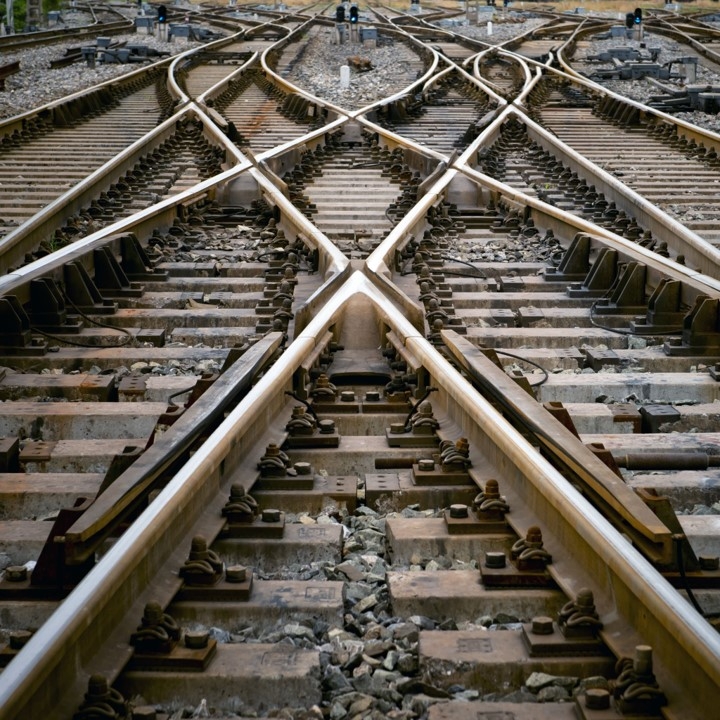
The rail strike appears to have been diverted. That is a relief to ag markets, and to the livestock, poultry and dairy sector – especially those segments that are out of position for feed supply and rely on regular deliveries, such as dairy in California where feed deliveries have gotten dangerously low already this year, cattle feeding in the southern Plains, and broiler production. According to the National Chicken Council (NCC), broiler growers receive about 27 million bushels of corn and 11 million bushels of soymeal via rail each week. Also, consider that somewhere between 65 to 70 percent of ethanol is shipped by rail; a shut down would have led to lower production of ethanol and DDGS for feeding. In the end, the k...



From WPI Consulting
Infrastructure investment due diligence
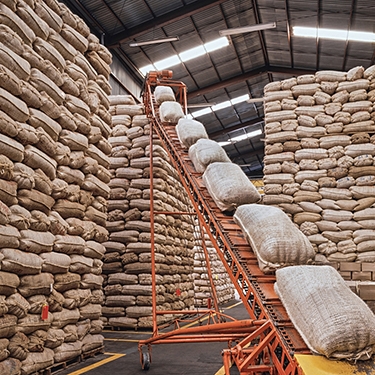
On behalf of a Canadian oilseed processer WPI's team provided market analysis, econometric modeling and financial due diligence in support of a $24 million-dollar investment in a Ukrainian crush plant. Consistent with WPI's findings, local production to supply the plant and the facility's output have expanded exponentially since the investment. WPI has conducted parallel work on behalf of U.S., South American and European clients, both private and public, in the agri-food space.