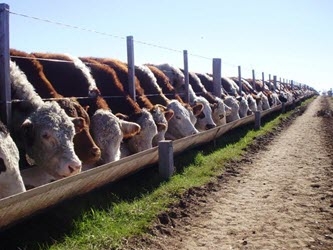
Livestock slaughter weights have been diverging this year with cattle trending down and hogs trending up.
The heavier slaughter weights for hogs likely stem from packers trying to maintain margins by slowing slaughter rates and leaving them to be finished longer. Year-to-date hog slaughter is up 2.8 percent, but pork production is 3.6 percent higher due to the heavier slaughter weights. If those weight levels continue, pork production over the summer, a period when there is a usual seasonal decline, could maintain the year-to-date expansion pace. In the cattle and beef market, the same pattern of final product growth exceeding slaughter rates is playing out but not as dramatically. This is because cattle size is tailing off from the pea...



 What You Need to Know Today: After a period of limited activity, USDA reported a sizeable 613 KMT in soybean export sales, including 330 KMT to China and 283 KMT to unknown destinations, potentially also China. The purchases represent a meaningful pickup in demand and bring China closer to ful...

 Key Takeaways: Consumer spending is a key driver of the U.S. economy, and the latest retail sales data indicate that spending remains robust despite inflation. In September, total retail and food service sales rose more than 6 percent year-over-year, with food service spending up 7 percent and...
 The Trump import plan for 300,000 MT of beef supplies used for ground beef, i.e., lean trim, from September through November has, according to Secretary Brooke Rollins, brought some relief to beef prices. The Executive Order states that the Secretary of Agriculture will analyze and review the m...