Growth in retail sales lost some momentum in September, capping off what otherwise had been a solid quarter of spending for U.S. consumers. Looking at the headline, overall sales rose 0.2 percent in September – the fourth consecutive monthly increase – but lagged the consensus expected gain of 0.4 percent. Sales rose in eight out of the thirteen major categories for the month, led by a 2 percent jump at gasoline stations. The biggest drag came from internet and mail-order retailers, where sales declined 0.7 percent in September after a strong 1.6 percent increase in August. Combined with declines at clothing stores (down 0.7 percent) and sporting goods retailers (down 2.5 percent), the pullback likely reflects a return to more t...



 What You Need to Know Today: The G7 agreed to release 100 million barrels of crude oil and fuel reserves over four months, with a substantial diesel release front-loaded into the first 20 days. The announcement initially pushed crude oil lower on Friday, although it later recovered a portion o...

 In a recent social media post, R-CALF unveiled its latest cattle market plan: “contracts that bind producers before establishing a base price, then tie that price to future negotiated cash transactions, should be prohibited.” That proposal aligns with recent legislation by Represent...
 Key Takeaways: The recent pearl-clutching from parts of the beef industry regarding the loss of the daily Kansas fed cattle negotiated trade pricing report is overwrought and ignores the fact that the direction was readily apparent. The shift away from negotiated trade has been well docu...

From WPI Consulting
Forecasting developments in production agriculture
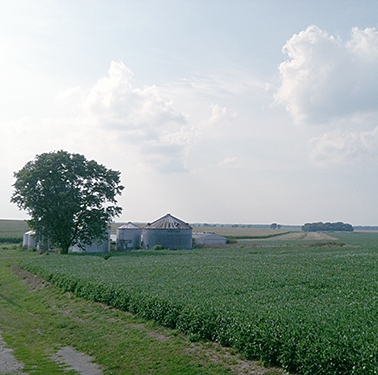
On behalf of a private U.S. agricultural technology provider, WPI’s team generated an econometric model to forecast the movement of concentrated corn production north and west from the traditional U.S. Corn Belt. WPI’s model has subsequently provided quantitative support to a multi-million-dollar investment into short-season corn variety development. WPI’s methodology included a series of interviews with regional grain elevators and seed consultants. Emphasizing outreach and communication with stakeholders who possess intimate sectoral knowledge – on-the-ground insights – is a regular component of WPI’s methodologies, made possible by WPI’s ever-growing network of industry contacts.