


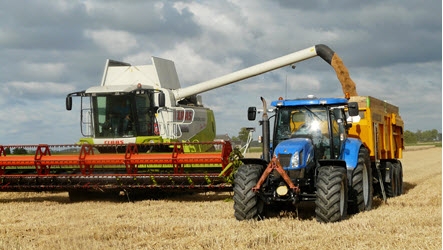
Clear weather and rolling combines in the Northern Hemisphere together with prospective showers in South America maintain pressure on commodity futures. However, volume today was relatively low except in soybeans and livestock. While soybeans closed lower, the end of Golden Week and China’s ongoing purchases of lower priced U.S. soybeans provides some degree of support. The situation is reflected in USDA’s weekly Grains Inspected and/or Weighed for Export report. It showed the volume of corn and wheat relatively steady and ahead of last year by 22 percent and 32.5 percent, respectively. The volume of soybeans inspected were higher overall and the decline relative to last marketing year has narrowed to less than a one perc...


 What You Need to Know Today: CBOT markets pared Monday’s sharp losses as traders booked short profits and adjusted positions ahead of the Grain Stocks report that USDA will release Wednesday afternoon. The 7-day QPF forecast from NOAA now shows heavy rain across the central and western C...


 There was encouraging news over the weekend: the White House may reject the misguided idea on Capitol Hill to ban U.S. diesel exports. What WPI has noted previously was perhaps best put by a Department of Energy report of 2022, under the Biden administration: Petroleum liquids markets are globa...
 Key Takeaways: Comparative advantage encourages countries to specialize in goods they can produce at a lower opportunity cost and rely on trade for others. Differences in climate, land, infrastructure, and technology help determine where agricultural commodities can be produced most efficientl...

From WPI Consulting
Accountability and a comprehensive approach to export programming

WPI’s team helped construct a strategic approach to develop, implement, and track promotional activities in 8 key regions across the globe for an agricultural export association. With continued progress measurement and strategic advisory services from WPI, the association has seen its ROI from investments in promotional programming increase by 44 percent over the past 5 years. Not only does this type of holistic approach to organizational strategy provide measurable results to track and analyze, it fosters top-down and bottom-up organizational accountability.