


Soybean and product prices moved lower overnight while grains climbed higher, reversing yesterday’s pattern of direction. The volume of trade was notably higher than during recent overnight sessions, probably in response to a sharp decline of the U.S. dollar against most other major currencies. CME open interest (O/I) in corn increased by 22,088 contracts. It was little changed in soybeans, but O/I in soymeal jumped almost 8,000 contracts. O/I in the two winter wheat markets also increased roughly 8,000 contracts each. It appears that while noncommercials were not afraid to add to their large short positions in corn and wheat, they took on more soymeal as a hedge against drought-related Argentine crop losses. The rationale is that wit...


 What You Need to Know Today: Crude oil prices extended their rally today, supported by several developments, including escalating Houthi attacks on Saudi Arabian oil infrastructure and growing concerns about supply disruptions. The Trump administration is reportedly preparing to remove 50 perc...
 Key Takeaways: The agricultural trade surplus has become a sizable deficit: the balance swung from a $40.1 billion surplus in 2011 to a $40.7 billion deficit in 2025. Imports kept growing while exports lost momentum: between 2020 and 2025, agricultural imports increased 45 percent, compa...

 USDA released its October Cattle on Feed report Friday, showing 11.4 million cattle in feedlots with capacity for 1,000 head or more, slightly below last year. September placements were the lowest for the month since records began in 1996, marking the third consecutive month of placements sett...
 Regional News Dry weather across the UK and Europe is becoming increasingly concerning for the 2027 crops as planting intentions are lowered amid dry soil conditions. Delayed sowing or establishment under adverse conditions could leave crops more vulnerable to frost/freeze events and dise...

From WPI Consulting
Forecasting developments in production agriculture
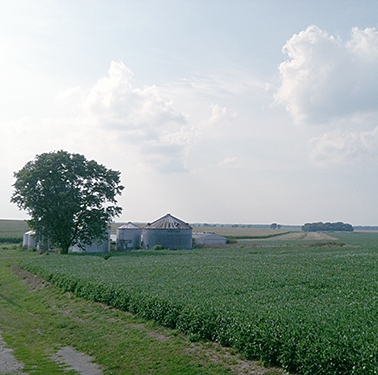
On behalf of a private U.S. agricultural technology provider, WPI’s team generated an econometric model to forecast the movement of concentrated corn production north and west from the traditional U.S. Corn Belt. WPI’s model has subsequently provided quantitative support to a multi-million-dollar investment into short-season corn variety development. WPI’s methodology included a series of interviews with regional grain elevators and seed consultants. Emphasizing outreach and communication with stakeholders who possess intimate sectoral knowledge – on-the-ground insights – is a regular component of WPI’s methodologies, made possible by WPI’s ever-growing network of industry contacts.