



It was a mixed day with most of the volume and bullishness occurring in the soy complex as grains counted their losses. It didn’t help that export sales were underwhelming, and some bears are now holding out hope for a so-called Santa Clause rally to end the year on a cheerier note. Actually, the gift of stronger markets and prices is ahead in 2020 and beyond, at least if one adds up such sentiments. For example, • Argentine weather is still iffy, and if there is inadequate rain within the next couple of weeks, it could get ugly. • The supply of wheat is large, but so is demand and smaller crops are being reported in Australia, Russia and elsewhere. • Mexico’s corn imports are forecast to grow by 14 percent in...


 Key Takeaways: Dry bulk markets remain mixed with Capesize vessels seeing continued pressure from weaker demand while fixtures and rate strength gradually increases towards the smaller vessel classes. Tanker markets are pulling back from their recent highs as tonnage moves out of the Mid...

 The Trump import plan for 300,000 MT of beef supplies used for ground beef, i.e., lean trim, from September through November has, according to Secretary Brooke Rollins, brought some relief to beef prices. The Executive Order states that the Secretary of Agriculture will analyze and review the m...
 Key Takeaways: Texas illustrates the assumptions underlying the 2025 FMMO reform; Idaho exposes their limitations. The Southwest order blend (roughly 27 percent Class I, 32 percent Class III and 31 percent Class IV) exposes Texas producers to every lever USDA adjusted, with a near-neutral proj...

From WPI Consulting
Forecasting developments in production agriculture
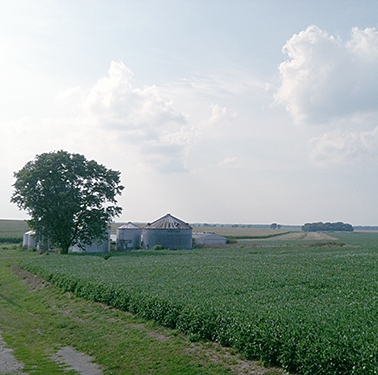
On behalf of a private U.S. agricultural technology provider, WPI’s team generated an econometric model to forecast the movement of concentrated corn production north and west from the traditional U.S. Corn Belt. WPI’s model has subsequently provided quantitative support to a multi-million-dollar investment into short-season corn variety development. WPI’s methodology included a series of interviews with regional grain elevators and seed consultants. Emphasizing outreach and communication with stakeholders who possess intimate sectoral knowledge – on-the-ground insights – is a regular component of WPI’s methodologies, made possible by WPI’s ever-growing network of industry contacts.