


If there is a surprising market reaction to the September WASDE, it can be found in Chicago and KC wheat futures that mostly closed around 7 cents higher despite the unchanged U.S. wheat numbers. General Comments Markets have been waiting for the September WASDE since about an hour after USDA released the August issue with its surprisingly bearish corn and soybean yield production estimates on 10 August. Considering all the weather adversities those crops had faced, there was instant skepticism about the numbers immediately following the report. Noncommercials had been caught leaning in the wrong direction, and the ensuing scramble drove prices down hard. The NASS August estimates did temper somewhat how private scouts looked at crop cond...


 There are plenty of major headlines moving across the markets today, but the reaction beneath them remains cautious. Crude oil is holding steady despite reports of progress involving the Strait of Hormuz, corn and soybeans remain tied to changing weather forecasts, and wheat continues to weigh...


 Key Takeaways: Sugarcane is the world’s largest crop by total production volume, surpassing major commodities such as corn, wheat, and soybeans, and supplies roughly 80 percent of global sugar production. Sugarcane’s perennial growth cycle allows farmers to harvest multiple crops f...
 Russian Grain Markets: 27–31 July 2026 Russian grain prices declined sharply during the week under review as new-crop supplies entered the market and demand weakened. Corn and barley prices declined, while both milling and feed wheat and rye experienced larger losses. The harvest campaign...

From WPI Consulting
Infrastructure investment due diligence
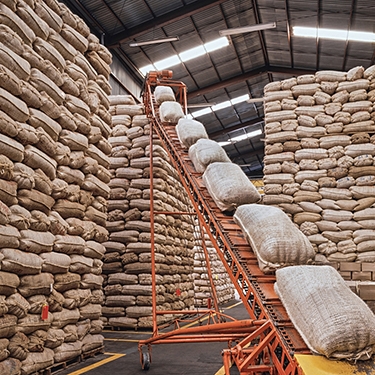
On behalf of a Canadian oilseed processer WPI's team provided market analysis, econometric modeling and financial due diligence in support of a $24 million-dollar investment in a Ukrainian crush plant. Consistent with WPI's findings, local production to supply the plant and the facility's output have expanded exponentially since the investment. WPI has conducted parallel work on behalf of U.S., South American and European clients, both private and public, in the agri-food space.