



In market analysis, technical indicators and chart patterns often precede major changes in fundamental supply/demand relationships. One theory why this occurs is that the collective wisdom of the market recognizes small but important changes in the fundamentals before they have exerted their eventual major influence. Another theory is that technical indicators are a self-fulfilling prophecy; that is, traders who believe in a signal will act in such a way to make the signal come true. It is sort of a herd-mentality way of thinking. A final thought is that (as economic theory teaches) the final arbiter between supply and demand is price. Consequently, studying prices and how they could create changes in supply/demand relationships gives insig...


 Given yesterday’s headlines, today’s market action may not be what many expected. The dollar is little changed, crude oil is pulling back and stocks are trading higher. Crude may be the biggest piece of today’s reversal. Saudi Arabia is offering additional crude to Asian buyer...
 Key Takeaways: Managed money is holding more than one million net-long contracts across agricultural markets, with corn, soybeans, and soymeal all reaching record net-long positions in September. Fundamental concerns surrounding yields, supplies, and global availability have helped justify the...


 Under an Executive Order on 4 September, USDA announced $50 million in new funding to help states establish or expand meat and poultry inspection programs as part of an effort to increase processing options for livestock producers. It’s called the Stand-Up Program, which will help states...

From WPI Consulting
Forecasting developments in production agriculture
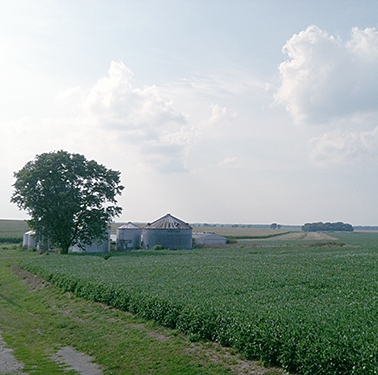
On behalf of a private U.S. agricultural technology provider, WPI’s team generated an econometric model to forecast the movement of concentrated corn production north and west from the traditional U.S. Corn Belt. WPI’s model has subsequently provided quantitative support to a multi-million-dollar investment into short-season corn variety development. WPI’s methodology included a series of interviews with regional grain elevators and seed consultants. Emphasizing outreach and communication with stakeholders who possess intimate sectoral knowledge – on-the-ground insights – is a regular component of WPI’s methodologies, made possible by WPI’s ever-growing network of industry contacts.