What You Need to Know Today:
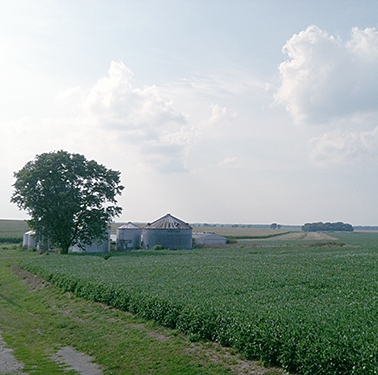
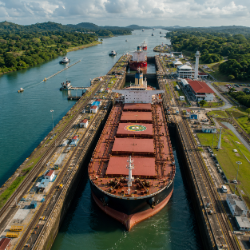
The U.S. conducted “self-defense strikes” in Iran and said the two sides are “close” to negotiating a ceasefire. “Close” is a relative term, however, and even if 95 percent of the terms are agreed to, the remaining 5 percent is likely the nonnegotiable issue that will hang up any further progress. Traders are increasingly optimistic about a possible resolution in the Persian Gulf, which sent crude oil and grain futures lower in risk-off trade. Congestion in the Panama Canal is a growing threat to U.S. grain exports and one that could add $16/MT to freight costs from the U.S. Gulf-Asia routes. Grain markets were lower as favorable weather for the Midwest reduced early growing...


 What You Need to Know Today: U.S. and Chinese officials are expected to discuss agriculture and non-tariff trade barriers ahead of Chinese President Xi Jinping’s visit to Washington later this month, potentially opening the door to additional U.S. agricultural purchases or improved marke...
 The U.S. will observe Labor Day on Monday, 7 September. U.S. markets and the WPI office will be closed that day. The next edition of Ag Perspectives will be published Tuesday, 8 September...

 Key Takeaways: Drought and changes to the multi-year trend in cow slaughter and retention have the potential to dramatically alter beef trim supplies and pricing, and WPI specifically models three different drought scenarios for fall 2026. Based on our models, WPI expects 90 percent lean...