


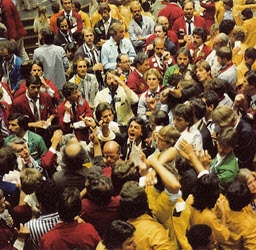
The CBOT renewed its early-week strength at mid-week and turned higher with soybeans and soymeal in the lead. Fresh news was light for the day, but markets responded positively to rumors of export business getting done for soybeans and soymeal, with wheat gaining on an increasingly warm and less-snowy forecast for the U.S. Plains. Corn was caught between soybeans and wheat and pushed higher to take back all Tuesday’s losses, but the market lacked much fundamental conviction. The day’s trade points out the range-bound nature of current ag commodity trade with few willing to take risks on breaks or rallies ahead of the January WASDE. Outside Markets U.S. stocks were mixed at mid-week with the NASDAQ advancing while the...


 What You Need to Know Today: Headlines emerging from negotiations between President Trump and President Xi were relatively limited, with a more substantive announcement expected Monday. U.S. Trade Representative Jamieson Greer indicated that additional details related to agricultural trade cou...

 The heat of summer is now transitioning into more moderate temperatures, and the next two months have the busiest marketing periods of the year for replacement cattle. Weather always influences the replacement cattle market, and the primary grain belt in the Southern Plains, where many cattle a...


 Key Takeaways: Diesel accounts for about 64 percent of U.S. farm fuel spending. For farmers, the pressing question is what a higher price adds to each field operation. Iowa farm diesel averaged $5.50/gallon in September, compared with the $2.89/gallon Iowa State assumed for its February machin...

From WPI Consulting
Accountability and a comprehensive approach to export programming

WPI’s team helped construct a strategic approach to develop, implement, and track promotional activities in 8 key regions across the globe for an agricultural export association. With continued progress measurement and strategic advisory services from WPI, the association has seen its ROI from investments in promotional programming increase by 44 percent over the past 5 years. Not only does this type of holistic approach to organizational strategy provide measurable results to track and analyze, it fosters top-down and bottom-up organizational accountability.