


There was heavy volume exiting soybeans, which dragged down the broader market today. The lack of a specific Chinese buying commitment for soybeans undermined speculators who had placed bets on state-directed trade. But even the Chinese do not totally ignore market fundamentals. They may still buy U.S. soybeans, but why pay a double premium? One being a fundamental-based higher price for U.S. soybeans over those from Brazil, and a second because speculators have sent a crop that is flush with supply to a record long position, up 14 percent from year-ago price levels. Speculators bet on politics and they lost—bring on the crocodile tears. If President Xi told President Trump that they’d wait for the soybean speculative bubble to...


 As predicted, the Federal Reserve held rates steady at the last meeting before the midterm elections, likely in part because of the election (see WPI 19 October and 22 September). The decision comes at the tail end of a midterm election cycle that has been marked by the two parties campaigning...

 Key Takeaways: WPI’s new EU rapeseed crushing margin models point to weaker processing returns over the next four months due to higher rapeseed procurement costs and weaker product values. Statistical forecasts call for German crushing margins to decline from €181/MT to €...
 Key Takeaways: The tariff burden rose sharply in 2025 and 2026: the effective rate on imports in HTS Chapters 1–24 increased from 1.53 percent in 2024 to 6.11 percent in 2025, before averaging 5.68 percent in January–August 2026. Headline rates tell only part of the story: exemptio...

From WPI Consulting
Infrastructure investment due diligence
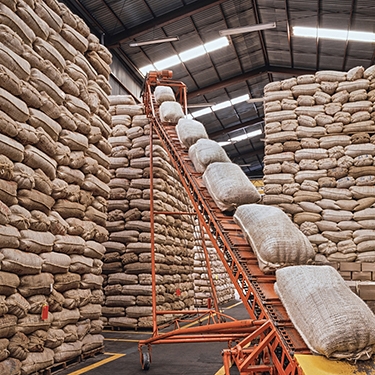
On behalf of a Canadian oilseed processer WPI's team provided market analysis, econometric modeling and financial due diligence in support of a $24 million-dollar investment in a Ukrainian crush plant. Consistent with WPI's findings, local production to supply the plant and the facility's output have expanded exponentially since the investment. WPI has conducted parallel work on behalf of U.S., South American and European clients, both private and public, in the agri-food space.