


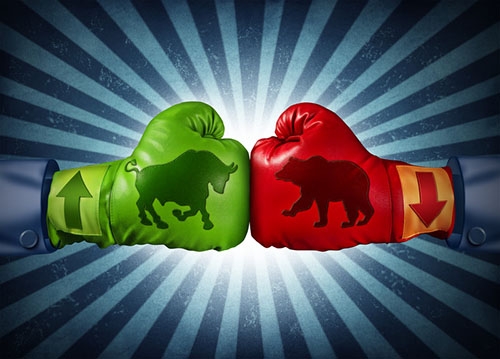
You are reading this report to better understand the issue of risk. This might make you unusual since the Global Financial Literacy Excellence Center reports that respondents to its surveys show only 35 percent answer questions correctly about the topic. Then again, it is a tricky subject. Even those that study risk intently can differ in their views about various factors. Take the current macroeconomic situation. The Atlanta Fed model suggests the U.S. economy grew at 5.8 percent in Q2. Many expected a recession and now it seems too good to be true [emphasis added]. Cash flows indicate some in trepidation. Consumer demand is weakening, and U.S. business activity reportedly approached stagnation in August. New business demand in serv...


 What You Need to Know Today: CBOT markets pared Monday’s sharp losses as traders booked short profits and adjusted positions ahead of the Grain Stocks report that USDA will release Wednesday afternoon. The 7-day QPF forecast from NOAA now shows heavy rain across the central and western C...


 There was encouraging news over the weekend: the White House may reject the misguided idea on Capitol Hill to ban U.S. diesel exports. What WPI has noted previously was perhaps best put by a Department of Energy report of 2022, under the Biden administration: Petroleum liquids markets are globa...
 Key Takeaways: Comparative advantage encourages countries to specialize in goods they can produce at a lower opportunity cost and rely on trade for others. Differences in climate, land, infrastructure, and technology help determine where agricultural commodities can be produced most efficientl...

From WPI Consulting
Infrastructure investment due diligence
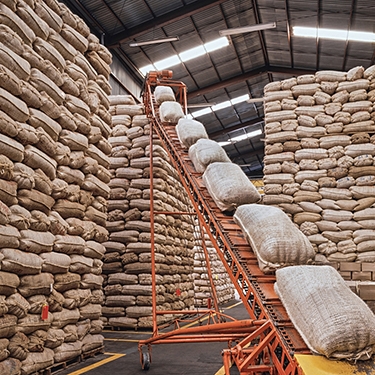
On behalf of a Canadian oilseed processer WPI's team provided market analysis, econometric modeling and financial due diligence in support of a $24 million-dollar investment in a Ukrainian crush plant. Consistent with WPI's findings, local production to supply the plant and the facility's output have expanded exponentially since the investment. WPI has conducted parallel work on behalf of U.S., South American and European clients, both private and public, in the agri-food space.