


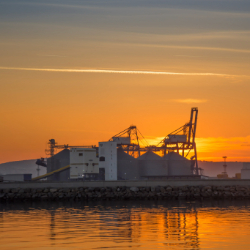
War-related upward pressure in petroleum prices continues to provide support to grain prices. Brent crude oil hit $85/barrel and WTI crude rose 8.5 percent, its biggest jump since July 2024 and the first time above $80/barrel in over a year. HRW hit its highest price in a year, corn broke through resistance, and soyoil hit a new contract high. The upward pressure on energies and ag commodities is likely to continue as shipping will not return to normalcy anytime soon in the Strait of Hormuz. However, the rising value of the dollar, up more than 1.5 percent, will weigh on ags. The price of gold has fallen 3.6 percent since the outbreak of the war. Reports Export Sales: USDA’s export sales report covering last week showed a...



From WPI Consulting
Weighing in on strategic realignment

WPI’s team was retained by the governing board of a U.S. industry organization to review a decision, reached by vote, to invest significant assets into the development and management of an export trading company. WPI’s team conducted a formal review of this decision and concluded that the current level of market saturation would limit the benefits of the investment. Based on WPI’s analysis and recommended actions, the board subsequently reversed its decision and undertook a strategic planning effort to identify more impactful investments. On behalf of numerous clients, WPI has not only assisted in identifying strategic paths but also advised their implementation.