



The CBOT was almost uniformly higher to end the week as crop markets are increasingly concerned about the coming two-week weather forecast. The next week will be extremely hot and dry for the Midwest and corn and soybean yields are likely to take a hit. Just how hard-hit they will be remains the primary debate at the CBOT, but the consensus that negative impacts will be felt helped drive futures higher on Friday. Soybeans were the upside leader on the weather with corn and the rest of the soy complex in tow. Wheat was also higher with the CBOT market posting 20-cent gains, though the fundamental justifications were seemingly lacking. Funds were net buyers for the day and expanded long positions in the soy complex and covered part of their c...


 What You Need to Know Today: CBOT markets pared Monday’s sharp losses as traders booked short profits and adjusted positions ahead of the Grain Stocks report that USDA will release Wednesday afternoon. The 7-day QPF forecast from NOAA now shows heavy rain across the central and western C...


 There was encouraging news over the weekend: the White House may reject the misguided idea on Capitol Hill to ban U.S. diesel exports. What WPI has noted previously was perhaps best put by a Department of Energy report of 2022, under the Biden administration: Petroleum liquids markets are globa...
 Key Takeaways: Comparative advantage encourages countries to specialize in goods they can produce at a lower opportunity cost and rely on trade for others. Differences in climate, land, infrastructure, and technology help determine where agricultural commodities can be produced most efficientl...

From WPI Consulting
Infrastructure investment due diligence
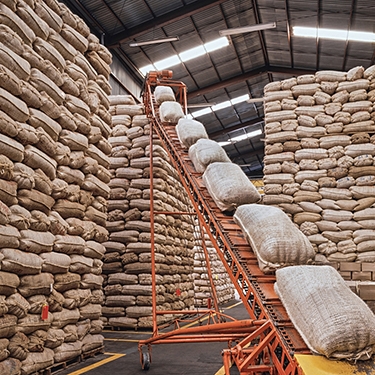
On behalf of a Canadian oilseed processer WPI's team provided market analysis, econometric modeling and financial due diligence in support of a $24 million-dollar investment in a Ukrainian crush plant. Consistent with WPI's findings, local production to supply the plant and the facility's output have expanded exponentially since the investment. WPI has conducted parallel work on behalf of U.S., South American and European clients, both private and public, in the agri-food space.