



Over the past three weeks, one has been unable to discuss ag commodity futures without a detailed discussion of U.S. weather patterns, and that remained true on Wednesday. The CBOT was sharply lower as rains fell across the U.S. Plains and Eastern Corn Belt and offered broad coverage and meaningful stress reduction for crops. Further pressuring crop markets was the 1-3-day weather forecast showing heavy showers and over two inches of rain forecast for Iowa, Missouri, and Illinois – states that so far have missed out on much of the recent precipitation. One key feature of the updated weather forecasts – and a major reason for corn futures’ decline – is that the above-average heat present in the Midwest so far this su...



From WPI Consulting
Forecasting developments in production agriculture
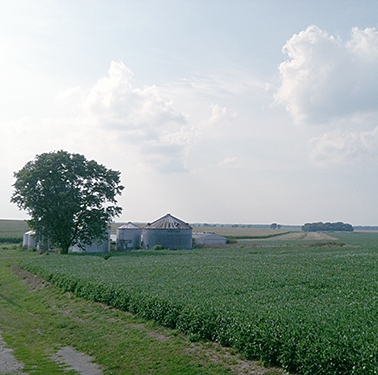
On behalf of a private U.S. agricultural technology provider, WPI’s team generated an econometric model to forecast the movement of concentrated corn production north and west from the traditional U.S. Corn Belt. WPI’s model has subsequently provided quantitative support to a multi-million-dollar investment into short-season corn variety development. WPI’s methodology included a series of interviews with regional grain elevators and seed consultants. Emphasizing outreach and communication with stakeholders who possess intimate sectoral knowledge – on-the-ground insights – is a regular component of WPI’s methodologies, made possible by WPI’s ever-growing network of industry contacts.