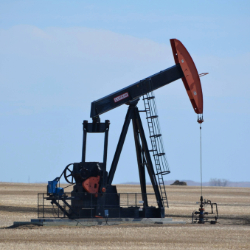
New variables specifically in the agricultural markets were light today, but the Iran war news hit some markets like a tsunami. The war and Iran’s chokehold on global oil supplies have subjugated economies for nearly seven weeks with outsized petrol prices. Everything became distorted around oil, including currency valuations. The combination of impacts on fuel and fertilizer spawned the predictable apocalyptic stories of mass global starvation, but the effects were marginal at most for U.S. agriculture. The war is not over, but the relief rally that hit oil and equities today largely skipped over agricultural commodities. Looking at major crop prices from the day before the start of the war to today, we find that:
The May SRW...


 What You Need to Know Today: Headlines emerging from negotiations between President Trump and President Xi were relatively limited, with a more substantive announcement expected Monday. U.S. Trade Representative Jamieson Greer indicated that additional details related to agricultural trade cou...

 The heat of summer is now transitioning into more moderate temperatures, and the next two months have the busiest marketing periods of the year for replacement cattle. Weather always influences the replacement cattle market, and the primary grain belt in the Southern Plains, where many cattle a...


 Key Takeaways: Diesel accounts for about 64 percent of U.S. farm fuel spending. For farmers, the pressing question is what a higher price adds to each field operation. Iowa farm diesel averaged $5.50/gallon in September, compared with the $2.89/gallon Iowa State assumed for its February machin...