


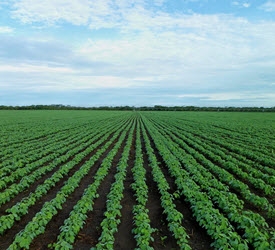
The CBOT rallied for a second straight day, but this time it was soybeans leading the way. The oilseed market moved higher after rumors surfaced that China could be considering ending its zero-tolerance policy for COVID-19, a move that would boost food, fuel, and soybean demand in the country. Moreover, protests in Brazil aimed at supporting the outgoing President Bolsonaro are causing short-term issues in grain movement and marketing. Combined with the impacts of Russia ending the Black Sea export corridor agreement over the weekend, the CBOT had ample reason to rally. Corn and wheat followed Monday’s gains with another move higher as world grain markets continue reacting to the suspension of Ukraine’s ag exports via the Black...


 What You Need to Know Today: Russia rejected calls for a ceasefire in the Black Sea, including a proposal to halt attacks on civilian shipping that could help restore grain flows from Ukrainian ports. Tyson Foods announced plans to permanently close its Joslin, Illinois, beef processing facili...

 The big news in the cattle markets yesterday was Tyson Foods’ move to close two more beef plants. One of them, the Joslin, Illinois, plant was shuttered immediately after the announcement. The other, in Eagle Mountain, Utah, is a case-ready plant that does not slaughter cattle. Tyson also...

 The Bureau of Labor Statistics (BLS) released the Consumer Price Index (CPI) on Wednesday. In July, the CPI rose 0.1 percent, seasonally adjusted, and rose 3.4 percent over the last 12 months, not seasonally adjusted. The index for all items less food and energy, or the “core” infla...

From WPI Consulting
Illuminating the value of technical research

On behalf of a commodity producer organization, WPI evaluated the outputs from a project that featured a $5 million investment into technical research over multiple years. WPI’s team captured the results of this extensive effort and synthesized them for presentation to the organization’s governing board; among the findings uncovered and presented for the first time was the development of genomic traits proven, via rigorous testing, to provide crop yield advantages of 50 percent or more to U.S. farmers in times of drought. Capturing measurable results from long-term efforts can be challenging. Educating clients on the dynamics of success measurement when quantifiable results are not readily available requires deep client-consultant collaboration and an ability to consider both near- and long-term client aspirations with market/policy dynamics – attributes that WPI brings to every consulting engagement.