
The government of Narendra Modi is pushing through reforms to make Indian agriculture more market-oriented, but it has become a huge political fight within the country. Since independence, agriculture in India has been largely about government control of supply and thus the price received by hundreds of millions of poor farmers. The Essential Commodities Act restricted supply and forced marketing through a system of middlemen (mandis) that too often have involved corruption. Now three separate pieces of legislation, the Farmers Produce, Trade and Commerce bill, Empowerment and Protection Agreement on Price Assurance, and Farm Services provisions, would, among other things, allow farmers to negotiate production and prices separately,...



 Key Takeaways: India is the world’s largest vegetable oil importer, making it a critical source of global demand despite being less prominent than China in broader agricultural trade. India’s vegetable oil import dependence is structural, with domestic oilseed production unable to...

From WPI Consulting
Forecasting developments in production agriculture
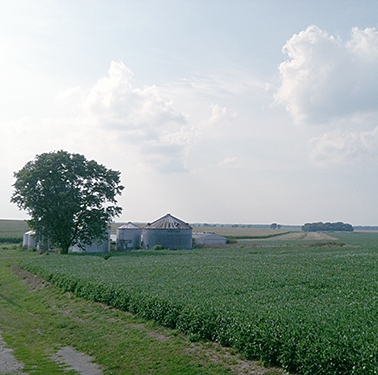
On behalf of a private U.S. agricultural technology provider, WPI’s team generated an econometric model to forecast the movement of concentrated corn production north and west from the traditional U.S. Corn Belt. WPI’s model has subsequently provided quantitative support to a multi-million-dollar investment into short-season corn variety development. WPI’s methodology included a series of interviews with regional grain elevators and seed consultants. Emphasizing outreach and communication with stakeholders who possess intimate sectoral knowledge – on-the-ground insights – is a regular component of WPI’s methodologies, made possible by WPI’s ever-growing network of industry contacts.