



Corn Argentina’s corn harvest remains virtually stalled as producers continue prioritizing the soybean harvest, which has advanced rapidly in recent weeks. During the past week, corn harvest progress increased only two percentage points, while soybean harvest advanced more than 30 percentage points. As a result, total corn harvest now stands at 32 percent of the estimated area. Despite the slow harvest pace, the crop outlook remains favorable. Approximately 70 percent of the corn area is still standing, and overall crop conditions remain very good. Weather conditions also continue to support development, with conditions improving markedly following several days of rainfall across most producing regions. In Argentina’s local corn...


 What You Need to Know Today: Chinese purchases of U.S. soybeans continued to accelerate, with USDA reporting another 558 KMT sold to China and 236 KMT to unknown destinations. Combined with sales announced Wednesday and Thursday, the latest purchases bring the three-day total to approximately...

From WPI Consulting
Forecasting developments in production agriculture
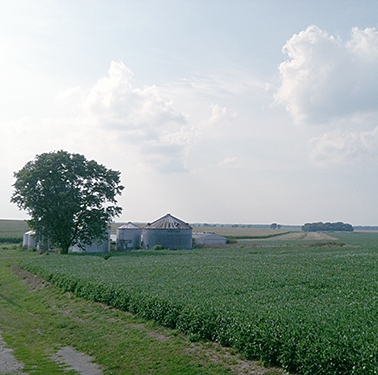
On behalf of a private U.S. agricultural technology provider, WPI’s team generated an econometric model to forecast the movement of concentrated corn production north and west from the traditional U.S. Corn Belt. WPI’s model has subsequently provided quantitative support to a multi-million-dollar investment into short-season corn variety development. WPI’s methodology included a series of interviews with regional grain elevators and seed consultants. Emphasizing outreach and communication with stakeholders who possess intimate sectoral knowledge – on-the-ground insights – is a regular component of WPI’s methodologies, made possible by WPI’s ever-growing network of industry contacts.