



Corn Harvest delays continue to complicate Argentina's corn market. Persistently high humidity, combined with scattered rainfall across key producing regions, continues to slow harvest progress. In southern Buenos Aires, harvesting remains constrained by poor field access, while across central Argentina the late corn harvest has yet to gain momentum as grain moisture remains 4-5 percentage points above commercial standards. Growers are generally willing to harvest once moisture falls another one or two percentage points, accepting either drying costs or commercial discounts. At current moisture levels, however, drying costs remain uneconomical, leaving little option but to wait. The vessel lineup remains heavy at around 2.8 MMT. Although fa...


 What You Need to Know Today: New World screwworm is back in the headlines after new cases were found in a hunter-harvested elk in Texas and a beef cow in New Mexico. The detection in wildlife could further complicate containment efforts, as implementing effective biosecurity measures is consid...

 Key Takeaways: Dry bulk markets remain mixed with Capesize rates turning around from their recent weakness and posting solid gains on improved Chinese demand. Panamax vessels, on the other hand, saw rates decline amid greater tonnage availability in the South Atlantic and falling U.S. Gu...

 Key Takeaways: Demand and capacity decide where milk growth lands. Italian cheese is up 4.2 percent in 2026, and milk output is growing fastest in Kansas, South Dakota and Texas, where the new plants are located. Price spreads decide where the marginal milk goes. The Class IV premium over Clas...

From WPI Consulting
Forecasting developments in production agriculture
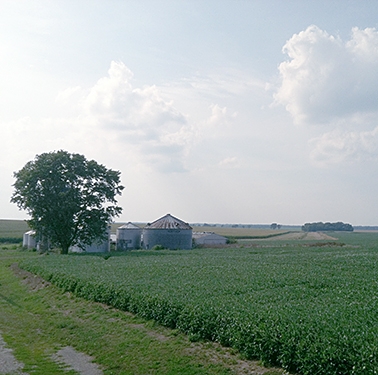
On behalf of a private U.S. agricultural technology provider, WPI’s team generated an econometric model to forecast the movement of concentrated corn production north and west from the traditional U.S. Corn Belt. WPI’s model has subsequently provided quantitative support to a multi-million-dollar investment into short-season corn variety development. WPI’s methodology included a series of interviews with regional grain elevators and seed consultants. Emphasizing outreach and communication with stakeholders who possess intimate sectoral knowledge – on-the-ground insights – is a regular component of WPI’s methodologies, made possible by WPI’s ever-growing network of industry contacts.