

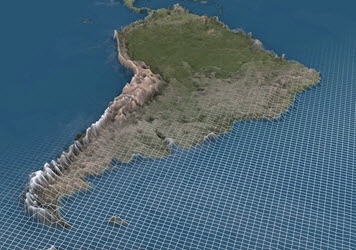
Wheat At the start of the wheat campaign, everything was set for a bumper crop. Good prices, good soil moisture, and high investment in inputs (fertilizer, herbicide, etc.) were pointing to above-average yields. However, the weather did not cooperate during the growing season and the effects are starting to show. Now, the national yield is expected be be under 3 MT/ha, down from 3.21 MT/ha last year. The biggest challenge was mild drought over the country, but some regions were also damaged by hailstorms and extreme temperature fluctuations. The crop is now at the point where real losses can be measured, and WPI will closely follow the trends and report the impacts on the Argentine wheat supply/demand situation. Bigger losses...



 What You Need to Know Today: Russia rejected calls for a ceasefire in the Black Sea, including a proposal to halt attacks on civilian shipping that could help restore grain flows from Ukrainian ports. Tyson Foods announced plans to permanently close its Joslin, Illinois, beef processing facili...
 We have described the long-term investment climate in crop and livestock production, using data primarily from the Bureau of Economic Analysis (BEA). The data provided background on the current investment climate and outlook for agricultural capital formation. Our conclusion was that investment...

From WPI Consulting
Communicating importance of value-added products

Facing increasing pressure to quantify the value of export promotion efforts to investors, a U.S. industry organization retained WPI to develop a quantitative model that better communicated the importance of exports. The resulting model concluded that value-added meat exports contributed $0.45 cents per bushel to the price of corn, increasing support for that sector’s financial support of WPI’s client. In addition to serving the red meat industry with this type of analysis, WPI has generated similar deliverables for the U.S. soybean and poultry/egg industries.