

Weather and Crops Most of Argentina's agricultural area received good rain coverage during August-December 2012. In some areas of Pampa Humeda, the core agricultural region, rainfalls were above normal, causing floods that delayed corn and soybean sowing. The map below shows soil moisture levels in the Pampa Humeda region, including the Buenos Aires, Cordoba and Santa Fe provinces. As you can see, some parts of Cordoba and Sante Fe are under water stress. Last week the weather forecast called for normal to good rain coverage over this area, but ultimately nothing happened. We are expecting a hot and dry pattern during the upcoming week, with temperatures around 38-40 degrees Celsius. The previous weeks of dry conditions have nearly deple...



 Key Takeaways: Brazil confirmed a Newcastle disease outbreak at a commercial turkey farm in Santa Catarina on 18 October, raising concerns about potential disruptions to poultry exports despite the outbreak being confined to a single facility thus far. Mexico and Malaysia have imposed nationwi...


 Yesterday, Alberta held a referendum on whether to begin the process toward independence from Canada. With more than one million votes counted as of early Tuesday morning, around 77 percent supported remaining in Canada, and 23 percent voted to start the process of separation, according to unof...

 Mediterranean/Middle East/North Africa/Africa – MEA Region Pakistan’s smaller wheat farmers have been holding protests to complain about the lack of a support price for wheat and the potential expansion of GMO crop production. They also want the reinstatement of PASSCO, the governme...

From WPI Consulting
Infrastructure investment due diligence
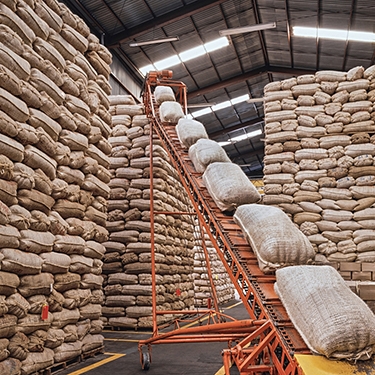
On behalf of a Canadian oilseed processer WPI's team provided market analysis, econometric modeling and financial due diligence in support of a $24 million-dollar investment in a Ukrainian crush plant. Consistent with WPI's findings, local production to supply the plant and the facility's output have expanded exponentially since the investment. WPI has conducted parallel work on behalf of U.S., South American and European clients, both private and public, in the agri-food space.