
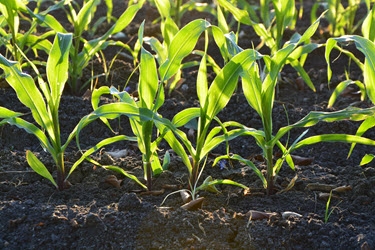
U.S. agricultural imports from Mexico have been growing and there is a trade deficit; Mexico’s agricultural imports from the U.S. are stagnant at best. Mexico is self-sufficient in white corn for human consumption but imports yellow corn for animal feed. Now Mexican President André Manuel López Obrador wants to ban GM corn to help his country’s maize growers. The ban on GM corn likely violates the USMCA and will hurt the country’s livestock producers. Mexico’s imports of pork and poultry have already been increasing. If Mexico blocks imports of yellow feed corn from the U.S., it will drive American prices lower, making its livestock exports even more competitive. Then Mexico City will be under pressure...



From WPI Consulting
Weighing in on strategic realignment

WPI’s team was retained by the governing board of a U.S. industry organization to review a decision, reached by vote, to invest significant assets into the development and management of an export trading company. WPI’s team conducted a formal review of this decision and concluded that the current level of market saturation would limit the benefits of the investment. Based on WPI’s analysis and recommended actions, the board subsequently reversed its decision and undertook a strategic planning effort to identify more impactful investments. On behalf of numerous clients, WPI has not only assisted in identifying strategic paths but also advised their implementation.