Key Takeaways:
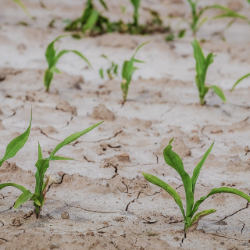
Mexico's drought intensified from 2022 to 2024, with critically low reservoir levels in Sinaloa driving a sharp decline in corn production. Sinaloa produces roughly one-quarter of Mexico's corn crop and is the country's leading supplier of white corn used for staple foods such as tortillas. Production losses forced Mexico to import white corn from the U.S., highlighting the severity of the drought's impact on domestic food supplies. Reduced yellow corn production also increased Mexico's reliance on U.S. feed grain imports. Strong Mexican demand helped push U.S. corn exports to a record high in 2024/25, offsetting part of the decline in Chinese purchases. U.S. corn exports are expected to be even higher in 2025/26, with stron...



 What You Need to Know Today: New World screwworm is back in the headlines after new cases were found in a hunter-harvested elk in Texas and a beef cow in New Mexico. The detection in wildlife could further complicate containment efforts, as implementing effective biosecurity measures is consid...

 Cattle on Feed Expectations USDA’s monthly Cattle on Feed report that will show cattle inventory statistics as of 1 October will be released tomorrow, 23 October. Analysts’ pre-report consensus estimates are for the total inventory on feed to be 100.3 percent of last year, which imp...

 Key Takeaways: Dry bulk markets remain mixed with Capesize rates turning around from their recent weakness and posting solid gains on improved Chinese demand. Panamax vessels, on the other hand, saw rates decline amid greater tonnage availability in the South Atlantic and falling U.S. Gu...