


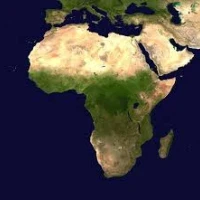
Mediterranean/Middle East/North Africa/Africa – MEA Region Middle Eastern countries have imported an average of close to 29 million MT of grains and feed products per year over the past five years according to an Ag Perspectives report. These include wheat, corn, barley, soybeans, soymeal, and DDGS. Iran was the largest importer, followed by Saudi Arabia, Yemen, Iraq and UAE. Corn is the main import at about 12.0 MMT followed by wheat at 8.7 MMT then barley at 6.2 MMT, soymeal at 3.9 MMT, and soybeans at 3.2 MMT. The current Iran situation will have a significant effect on imports by a number of Middle Eastern countries. Brazil exported 3.16 million MT of maize in January 2026, with 61.5 percent going to the MEA region, as follows: Ir...


 What You Need to Know Today: Corn, wheat, and the soy complex all formed new contract or at least rally highs to close what has become one of the most uniformly bullish weeks in CBOT history. Escalations in the fighting between Russia and Ukraine and attacks on civilian merchant vessels show n...
 Macro: Trade Flows Set the Tone Persian Gulf crude flows appear to be improving, with anecdotal estimates suggesting as much as 7–8 million barrels per day may now be leaving the region — nearly double the mid-July pace. That helps explain why crude has not maintained the full geopo...

From WPI Consulting
Infrastructure investment due diligence
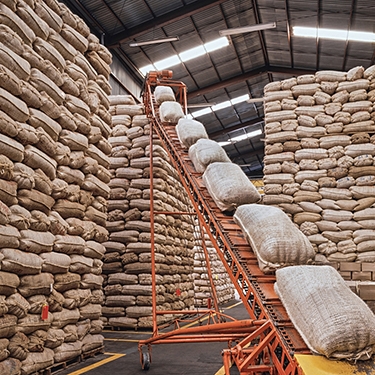
On behalf of a Canadian oilseed processer WPI's team provided market analysis, econometric modeling and financial due diligence in support of a $24 million-dollar investment in a Ukrainian crush plant. Consistent with WPI's findings, local production to supply the plant and the facility's output have expanded exponentially since the investment. WPI has conducted parallel work on behalf of U.S., South American and European clients, both private and public, in the agri-food space.