

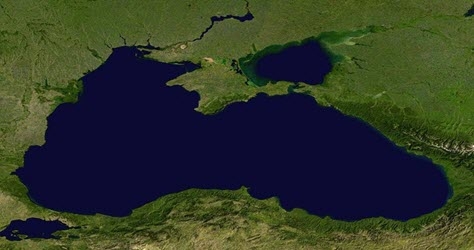
Regional Updates MEDITERRANEAN/MIDDLE EAST/NORTH AFRICA/AFRICA – MEA REGION Egypt is hoping to increase the 2023 planted area by 1 million acres. In order to do this, it will have to reclaim desert lands and use existing underground water supplies. Egypt also plans to improve the seed stock used to increase yields and to expand the existing irrigation systems. As the agriculture minister has said, this is a very big and very challenging list of projects for Egypt. Egypt is reported to be looking everywhere for wheat supply to cover the amount missing in shipments from the Black Sea. In recent years Egypt has received just over 80 percent of its 12 to 13 MMT of wheat imports from Russia and Ukraine. Egypt is now receiving whea...



 What You Need to Know Today: CBOT markets pared Monday’s sharp losses as traders booked short profits and adjusted positions ahead of the Grain Stocks report that USDA will release Wednesday afternoon. The 7-day QPF forecast from NOAA now shows heavy rain across the central and western C...


 There was encouraging news over the weekend: the White House may reject the misguided idea on Capitol Hill to ban U.S. diesel exports. What WPI has noted previously was perhaps best put by a Department of Energy report of 2022, under the Biden administration: Petroleum liquids markets are globa...
 Key Takeaways: Comparative advantage encourages countries to specialize in goods they can produce at a lower opportunity cost and rely on trade for others. Differences in climate, land, infrastructure, and technology help determine where agricultural commodities can be produced most efficientl...

From WPI Consulting
Communicating importance of value-added products

Facing increasing pressure to quantify the value of export promotion efforts to investors, a U.S. industry organization retained WPI to develop a quantitative model that better communicated the importance of exports. The resulting model concluded that value-added meat exports contributed $0.45 cents per bushel to the price of corn, increasing support for that sector’s financial support of WPI’s client. In addition to serving the red meat industry with this type of analysis, WPI has generated similar deliverables for the U.S. soybean and poultry/egg industries.