

Regional Updates MIDDLE EAST/MEDITERRANEAN COMMENTS Saudi Arabia is adjusting its wheat import requirements for implementation as of the next tender. Traders expect that a change in the bug damage limitation will allow Russia to take a large share of the Saudi wheat business, particularly since its FOB prices are very competitive and ocean freight costs likely lower than from other origins. Of course, the change in specifications will also allow tender offers from Ukraine, Romania and Bulgaria, which will make it all much more exciting However, even with the bug damage allowance at 0.5 percent (versus the current 0.0 percent), this may be too low for much of the Black Sea wheat supply. According to reports, Russia is trying to get the lim...



 What You Need to Know Today: After a period of limited activity, USDA reported a sizeable 613 KMT in soybean export sales, including 330 KMT to China and 283 KMT to unknown destinations, potentially also China. The purchases represent a meaningful pickup in demand and bring China closer to ful...
 Key Takeaways: Dry bulk markets remain mixed with Capesize vessels seeing continued pressure from weaker demand while fixtures and rate strength gradually increases towards the smaller vessel classes. Tanker markets are pulling back from their recent highs as tonnage moves out of the Mid...

 The Trump import plan for 300,000 MT of beef supplies used for ground beef, i.e., lean trim, from September through November has, according to Secretary Brooke Rollins, brought some relief to beef prices. The Executive Order states that the Secretary of Agriculture will analyze and review the m...

From WPI Consulting
Infrastructure investment due diligence
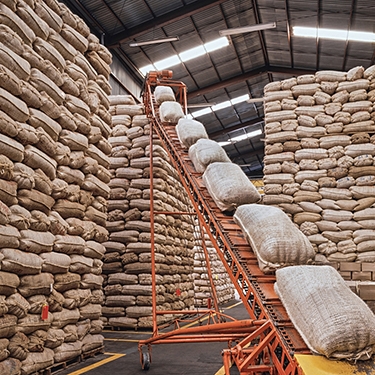
On behalf of a Canadian oilseed processer WPI's team provided market analysis, econometric modeling and financial due diligence in support of a $24 million-dollar investment in a Ukrainian crush plant. Consistent with WPI's findings, local production to supply the plant and the facility's output have expanded exponentially since the investment. WPI has conducted parallel work on behalf of U.S., South American and European clients, both private and public, in the agri-food space.