


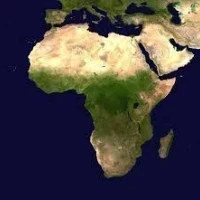
Mediterranean/Middle East/North Africa/Africa – MEA Region Tunisia’s cereal production in 2025 has improved due to better rainfall, according to the FAO, with wheat production up by 8.7 percent to 1.25 MMT and barley production up by 26.7 percent to 380,000 MT. Cereals imports for 2025/26 are expected to drop to about 3.6 MMT, down by about 5 percent, with 2.0 MMT being wheat imports. Turkish maize farmers in the Izmir area are switching to growing sorghum due to its much higher drought resistance. The Izmir area is very important in the Turkish dairy industry as it is the home to 480,000 dairy cattle that normally consume as much as 3.45 MMT of corn silage – drought has made the corn silage production much less profitable...


 What You Need to Know Today: CBOT markets pared Monday’s sharp losses as traders booked short profits and adjusted positions ahead of the Grain Stocks report that USDA will release Wednesday afternoon. The 7-day QPF forecast from NOAA now shows heavy rain across the central and western C...


 There was encouraging news over the weekend: the White House may reject the misguided idea on Capitol Hill to ban U.S. diesel exports. What WPI has noted previously was perhaps best put by a Department of Energy report of 2022, under the Biden administration: Petroleum liquids markets are globa...
 Key Takeaways: Comparative advantage encourages countries to specialize in goods they can produce at a lower opportunity cost and rely on trade for others. Differences in climate, land, infrastructure, and technology help determine where agricultural commodities can be produced most efficientl...

From WPI Consulting
Weighing in on strategic realignment

WPI’s team was retained by the governing board of a U.S. industry organization to review a decision, reached by vote, to invest significant assets into the development and management of an export trading company. WPI’s team conducted a formal review of this decision and concluded that the current level of market saturation would limit the benefits of the investment. Based on WPI’s analysis and recommended actions, the board subsequently reversed its decision and undertook a strategic planning effort to identify more impactful investments. On behalf of numerous clients, WPI has not only assisted in identifying strategic paths but also advised their implementation.