



Mediterranean/Middle East/North Africa/Africa – MEA Region Egypt’s grain imports have fallen off in recent weeks due to several reasons, according to local experts — large imports of maize earlier in the year built up good stocks, while the availability of local maize has since replaced import requirements, and demand from the animal feed industry has also dropped. The situation in the Black Sea has complicated wheat imports for both the government and the private sector. The government is reported to be sourcing wheat everywhere, while the private sector is “standing aside” for now. Egypt’s Cairo3A has signed an agreement with China’s FAMSUN Group for cooperation on feed production, grain handling...



 The USDA has lowered its 2026 red meat production forecasts while leaving poultry almost unchanged. Beef is now projected at 24.877 billion pounds, 90 million pounds below August on slower Q3 fed cattle slaughter and lighter dressed weights, along with an anticipated counterseasonal cutback in...
 What You Need to Know Today: Oil prices moved higher early Monday before giving back some of their gains after drone attacks forced the shutdown of Saudi Arabia’s East-West Pipeline, a critical route for bypassing constrained shipping through the Strait of Hormuz. The disruption puts rou...
 Key Takeaways: Expected returns to production for U.S. cow-calf producers have shifted lower from prior forecasts as cattle values fall and feed costs rise. Producer revenues are forecast 1 percent below our August outlook and will be 1.2 percent below 2025 levels. Feed costs have lessen...

From WPI Consulting
Infrastructure investment due diligence
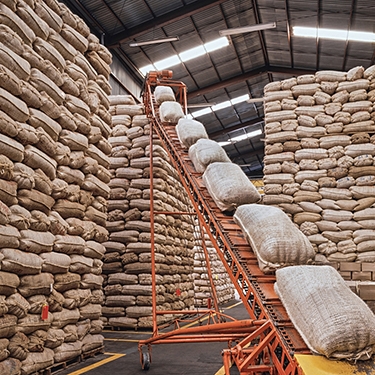
On behalf of a Canadian oilseed processer WPI's team provided market analysis, econometric modeling and financial due diligence in support of a $24 million-dollar investment in a Ukrainian crush plant. Consistent with WPI's findings, local production to supply the plant and the facility's output have expanded exponentially since the investment. WPI has conducted parallel work on behalf of U.S., South American and European clients, both private and public, in the agri-food space.