


The Turkish government has increased the local value-added tax (VAT) on imported DDGS and corn gluten feed in order to protect domestic soybean/sunseed crushers. The country imports most of its DDGS from the U.S., while much of the corn gluten feed originates in Ukraine. Regional Updates Middle East/Mediterranean Comments Iran and Ukraine have signed a memorandum of understanding (MOU) that will help develop agricultural business between the two countries. Ukraine is looking to greatly expand the range of those items exported to Iran, which comprise 85 percent of its exports to that nation, while hoping to attract local investment from there in its agriculture production.Meanwhile, Iran’s wheat supply for the next year (March 2016-Februa...


 What You Need to Know Today: After a period of limited activity, USDA reported a sizeable 613 KMT in soybean export sales, including 330 KMT to China and 283 KMT to unknown destinations, potentially also China. The purchases represent a meaningful pickup in demand and bring China closer to ful...

 Key Takeaways: Consumer spending is a key driver of the U.S. economy, and the latest retail sales data indicate that spending remains robust despite inflation. In September, total retail and food service sales rose more than 6 percent year-over-year, with food service spending up 7 percent and...

 The Trump import plan for 300,000 MT of beef supplies used for ground beef, i.e., lean trim, from September through November has, according to Secretary Brooke Rollins, brought some relief to beef prices. The Executive Order states that the Secretary of Agriculture will analyze and review the m...

From WPI Consulting
Forecasting developments in production agriculture
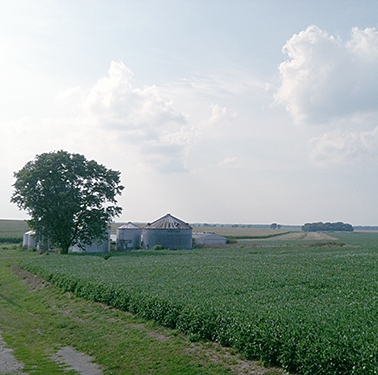
On behalf of a private U.S. agricultural technology provider, WPI’s team generated an econometric model to forecast the movement of concentrated corn production north and west from the traditional U.S. Corn Belt. WPI’s model has subsequently provided quantitative support to a multi-million-dollar investment into short-season corn variety development. WPI’s methodology included a series of interviews with regional grain elevators and seed consultants. Emphasizing outreach and communication with stakeholders who possess intimate sectoral knowledge – on-the-ground insights – is a regular component of WPI’s methodologies, made possible by WPI’s ever-growing network of industry contacts.