


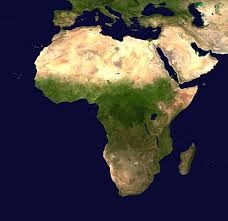
Regional Updates MEDITERRANEAN/MIDDLE EAST/NORTH AFRICA/AFRICA – MEA REGION Egyptian government officials said the “dollar crisis” has now been corrected and that foreign payments are being made by banks and delayed goods are clearing customs. Extra efforts have been made to release animal feed items like corn, soybeans, and feed additives, this is due to the current very high local prices for poultry, eggs, and dairy products. Egypt’s government will be supporting loans to agricultural production at 11 percent per annum with the government paying any shortfall in interest for the banks. There was no comment on how much will be available under this program or what the term of loans will be. Egypt’s Su...


 What You Need to Know Today: CBOT markets pared Monday’s sharp losses as traders booked short profits and adjusted positions ahead of the Grain Stocks report that USDA will release Wednesday afternoon. The 7-day QPF forecast from NOAA now shows heavy rain across the central and western C...


 There was encouraging news over the weekend: the White House may reject the misguided idea on Capitol Hill to ban U.S. diesel exports. What WPI has noted previously was perhaps best put by a Department of Energy report of 2022, under the Biden administration: Petroleum liquids markets are globa...
 Key Takeaways: Comparative advantage encourages countries to specialize in goods they can produce at a lower opportunity cost and rely on trade for others. Differences in climate, land, infrastructure, and technology help determine where agricultural commodities can be produced most efficientl...

From WPI Consulting
Forecasting developments in production agriculture
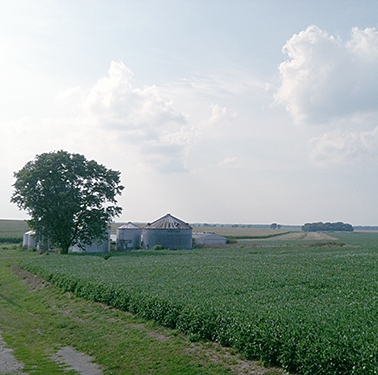
On behalf of a private U.S. agricultural technology provider, WPI’s team generated an econometric model to forecast the movement of concentrated corn production north and west from the traditional U.S. Corn Belt. WPI’s model has subsequently provided quantitative support to a multi-million-dollar investment into short-season corn variety development. WPI’s methodology included a series of interviews with regional grain elevators and seed consultants. Emphasizing outreach and communication with stakeholders who possess intimate sectoral knowledge – on-the-ground insights – is a regular component of WPI’s methodologies, made possible by WPI’s ever-growing network of industry contacts.