


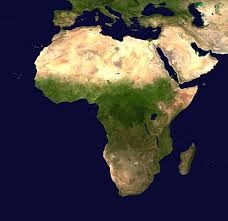
Regional Updates MEDITERRANEAN/MIDDLE EAST/NORTH AFRICA/AFRICA – MEA REGION Pakistan’s government will be selling 120,000 MT of wheat to the World Food Program (WFP) for the WFP’s Afghanistan relief program. The wheat supplied is expected to be imported wheat milled in Pakistan and sent as flour to Afghanistan. Pakistan’s ban on wheat flour exports will be lifted for these shipments. Tunisia is doing its very best to increase the production of wheat in the country to try to reduce its dependance on imported wheat. Improved seed stock will be made available along with technical assistance for farmers and more easily accessed farm loans. The government also says that land allocated to wheat will increase by 30 perce...


 What You Need to Know Today: CBOT markets pared Monday’s sharp losses as traders booked short profits and adjusted positions ahead of the Grain Stocks report that USDA will release Wednesday afternoon. The 7-day QPF forecast from NOAA now shows heavy rain across the central and western C...


 There was encouraging news over the weekend: the White House may reject the misguided idea on Capitol Hill to ban U.S. diesel exports. What WPI has noted previously was perhaps best put by a Department of Energy report of 2022, under the Biden administration: Petroleum liquids markets are globa...
 Key Takeaways: Comparative advantage encourages countries to specialize in goods they can produce at a lower opportunity cost and rely on trade for others. Differences in climate, land, infrastructure, and technology help determine where agricultural commodities can be produced most efficientl...

From WPI Consulting
Accountability and a comprehensive approach to export programming

WPI’s team helped construct a strategic approach to develop, implement, and track promotional activities in 8 key regions across the globe for an agricultural export association. With continued progress measurement and strategic advisory services from WPI, the association has seen its ROI from investments in promotional programming increase by 44 percent over the past 5 years. Not only does this type of holistic approach to organizational strategy provide measurable results to track and analyze, it fosters top-down and bottom-up organizational accountability.