
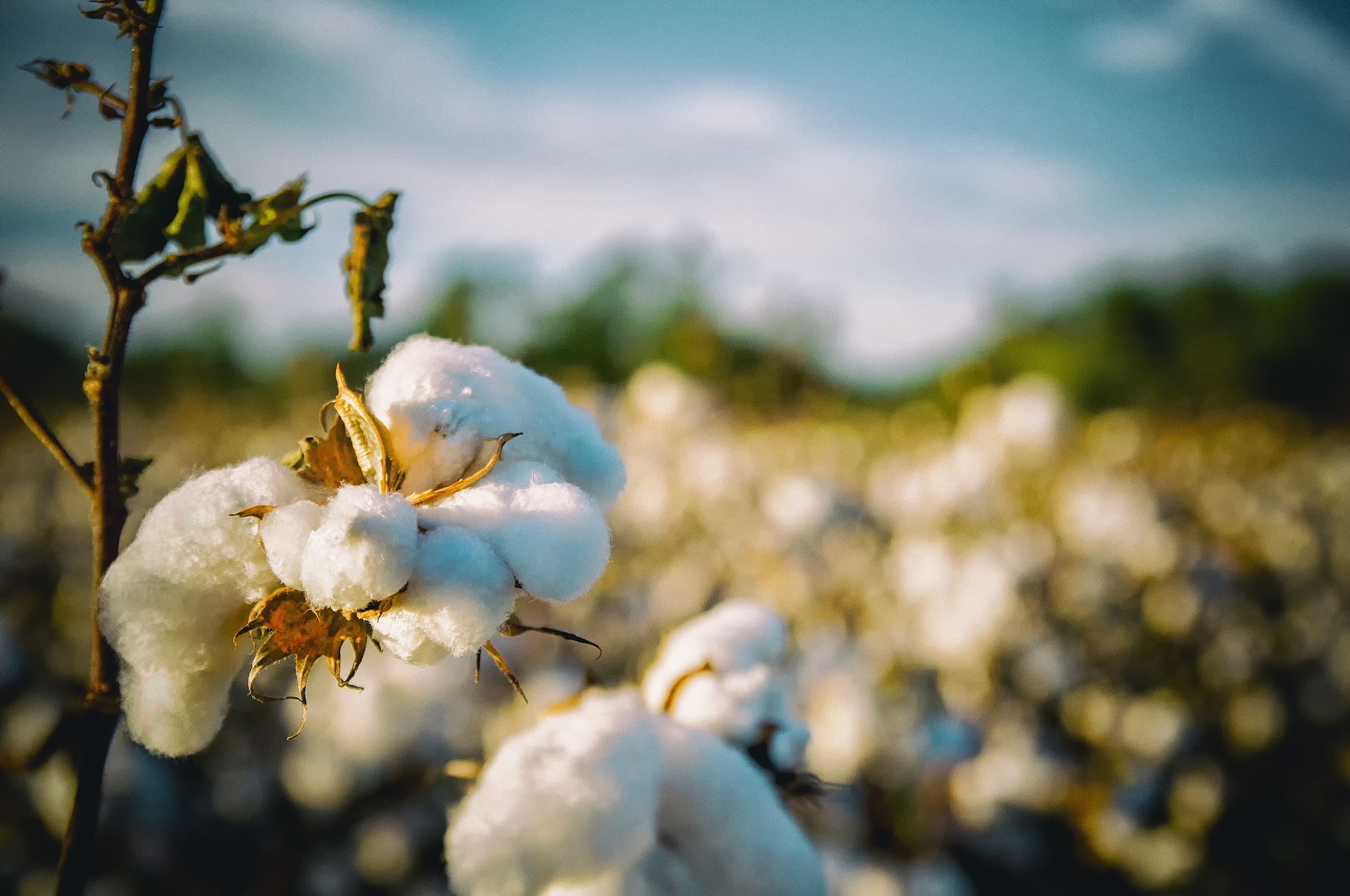
Double-cropping farmers in Mato Grosso have more than double the incentive to get their soybeans harvested now. The minority that gambled and seeded their soybeans in mid-September and were fortunate enough to catch some of the early rains now stand to benefit two ways: 1) they get to sell their soybeans into prices that are at seven-year highs, and 2) they get to plant their cotton, which is now priced 55 percent higher than its low last spring. Like soybeans, cotton is getting squeezed between strong demand and drought-reduced production in places like Texas. Global production this year is down 6.7 percent at the same time demand is up by 13.1 percent. Most Brazilian soybean farmers will keep their crop in the ground longer, hoping...



 What You Need to Know Today: Russia rejected calls for a ceasefire in the Black Sea, including a proposal to halt attacks on civilian shipping that could help restore grain flows from Ukrainian ports. Tyson Foods announced plans to permanently close its Joslin, Illinois, beef processing facili...
 We have described the long-term investment climate in crop and livestock production, using data primarily from the Bureau of Economic Analysis (BEA). The data provided background on the current investment climate and outlook for agricultural capital formation. Our conclusion was that investment...

From WPI Consulting
Infrastructure investment due diligence
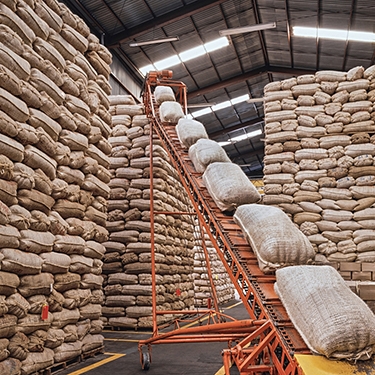
On behalf of a Canadian oilseed processer WPI's team provided market analysis, econometric modeling and financial due diligence in support of a $24 million-dollar investment in a Ukrainian crush plant. Consistent with WPI's findings, local production to supply the plant and the facility's output have expanded exponentially since the investment. WPI has conducted parallel work on behalf of U.S., South American and European clients, both private and public, in the agri-food space.