


Bob Kohlmeyer and John Baize both wrote about the U.S. and world soybean situation this week. It is indeed fascinating, and it is almost a certainty that it will get even more interesting over the next several months. The fact is that soybeans (and other oilseeds as well) might find themselves in the same situation that wheat did back in 2007/08 when supplies got so tight there were legitimate concerns that someone someplace would be unable to cover their needs. Here are some things to consider in addition (or in conjunction) to what already has been said this week.We asked this question months ago: "How much demand is inelastic?" There are few substitutes for soybeans or soybean meal. Consumption didn't slow when prices were above $17 a...


 Yesterday, Alberta held a referendum on whether to begin the process toward independence from Canada. With more than one million votes counted as of early Tuesday morning, around 77 percent supported remaining in Canada, and 23 percent voted to start the process of separation, according to unof...
 Mediterranean/Middle East/North Africa/Africa – MEA Region Pakistan’s smaller wheat farmers have been holding protests to complain about the lack of a support price for wheat and the potential expansion of GMO crop production. They also want the reinstatement of PASSCO, the governme...
 What You Need to Know Today: Harvest pressure in the U.S. sent corn and soybeans lower as supplies increased and there were signs USDA’s upward revisions to yields in the October WASDE could be close to right. The conflict between Russia and Ukraine escalated over the weekend, with Ukrai...

From WPI Consulting
Forecasting developments in production agriculture
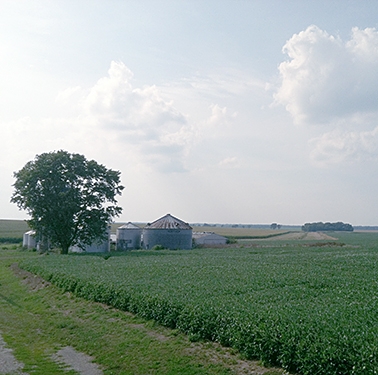
On behalf of a private U.S. agricultural technology provider, WPI’s team generated an econometric model to forecast the movement of concentrated corn production north and west from the traditional U.S. Corn Belt. WPI’s model has subsequently provided quantitative support to a multi-million-dollar investment into short-season corn variety development. WPI’s methodology included a series of interviews with regional grain elevators and seed consultants. Emphasizing outreach and communication with stakeholders who possess intimate sectoral knowledge – on-the-ground insights – is a regular component of WPI’s methodologies, made possible by WPI’s ever-growing network of industry contacts.