
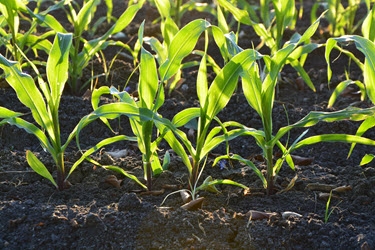
Farmers are complaining that the cost of anhydrous ammonia (NH3) has skyrocketed at the same time crops are about to go into the ground. It is difficult to feel sorry over a situation that is partially self-generated and mostly compensated. The complaint is that anhydrous prices have risen 60 percent or more since last fall, but so has the value of corn by the same amount. In fact, farmers started buying more NH3 recognizing it would net larger yields multiplied by higher prices. Moreover, they had received an infusion of cash from the government for COVID-19 and trade war compensation, making the purchases more affordable. The cost of anhydrous will likely fall as natural gas takes its post-winter season dip. Longer-term, expanded...



 What You Need to Know Today: Commodities were mostly lower across the board today after yesterday’s Federal Reserve meeting hinted at a potential interest rate hike later in 2026. The dollar index reached its highest level in over a year, and a strong dollar makes U.S. agricultural expor...
 Tomorrow is the Juneteenth federal holiday, and the USDA, along with the rest of the federal government and the CME, will be closed, so the monthly Cattle on Feed report was released a day early. The total number of cattle on feed in feedlots with 1,000 head or more capacity on 1 June amounted...

From WPI Consulting
Accountability and a comprehensive approach to export programming

WPI’s team helped construct a strategic approach to develop, implement, and track promotional activities in 8 key regions across the globe for an agricultural export association. With continued progress measurement and strategic advisory services from WPI, the association has seen its ROI from investments in promotional programming increase by 44 percent over the past 5 years. Not only does this type of holistic approach to organizational strategy provide measurable results to track and analyze, it fosters top-down and bottom-up organizational accountability.