
The world’s population will need more food and that competes with the sustainability of resources. Historically, wars and famine took care of the problem. Reducing input usage may help the environment but at the expense of food output. New genomics would help but technology has its own detractors. Some say quit livestock production, others say mixed animal and diversified crop production is best. Some say quit biofuels. China and India feed the greatest number of people per hectare of production but at lower rates of protein intake. Others say food sovereignty is the answer, though food productivity varies greatly around the world based on variables such as soil, climate, inputs, etc. The U.S. produces five times the volume of corn p...



From WPI Consulting
Infrastructure investment due diligence
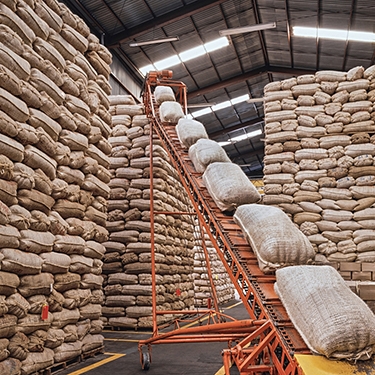
On behalf of a Canadian oilseed processer WPI's team provided market analysis, econometric modeling and financial due diligence in support of a $24 million-dollar investment in a Ukrainian crush plant. Consistent with WPI's findings, local production to supply the plant and the facility's output have expanded exponentially since the investment. WPI has conducted parallel work on behalf of U.S., South American and European clients, both private and public, in the agri-food space.