
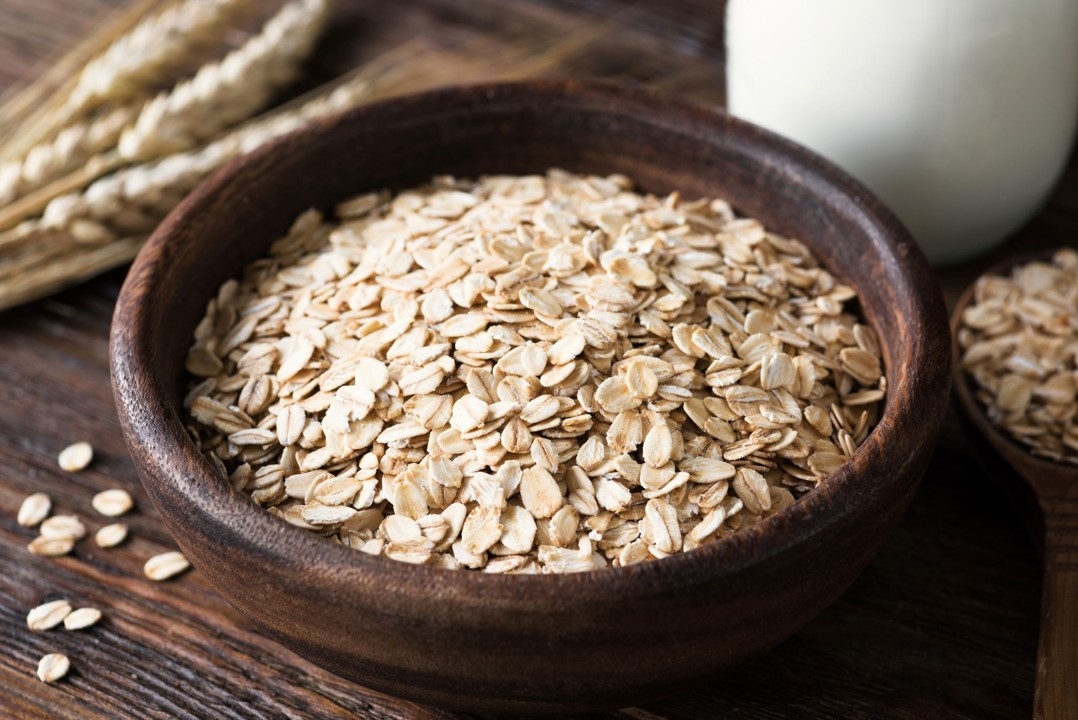
David McKee at Key International LCC points out the surge in demand for oat milk, which now dominates the creamer used at many coffee shops. Global oat production has been relatively stagnant for years, running at about half the output level of the 1960’s. Production this year increased by 6.8 percent, mostly due to an 80 percent increase in Canada following last year’s drought reduced crop. Canada is the world’s largest exporter of oats, selling 68 percent of the globally traded stock. The oats do not travel far because the U.S. is the largest importer, taking 56 percent of the traded total. Canada also supplies Mexico with its oat import needs. The ability to sell oats at food-grade prices is likely to keep production l...



 What You Need to Know Today: New World screwworm is back in the headlines after new cases were found in a hunter-harvested elk in Texas and a beef cow in New Mexico. The detection in wildlife could further complicate containment efforts, as implementing effective biosecurity measures is consid...

 Cattle on Feed Expectations USDA’s monthly Cattle on Feed report that will show cattle inventory statistics as of 1 October will be released tomorrow, 23 October. Analysts’ pre-report consensus estimates are for the total inventory on feed to be 100.3 percent of last year, which imp...

 Key Takeaways: Dry bulk markets remain mixed with Capesize rates turning around from their recent weakness and posting solid gains on improved Chinese demand. Panamax vessels, on the other hand, saw rates decline amid greater tonnage availability in the South Atlantic and falling U.S. Gu...

From WPI Consulting
Forecasting developments in production agriculture
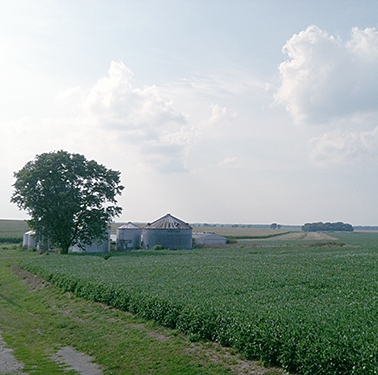
On behalf of a private U.S. agricultural technology provider, WPI’s team generated an econometric model to forecast the movement of concentrated corn production north and west from the traditional U.S. Corn Belt. WPI’s model has subsequently provided quantitative support to a multi-million-dollar investment into short-season corn variety development. WPI’s methodology included a series of interviews with regional grain elevators and seed consultants. Emphasizing outreach and communication with stakeholders who possess intimate sectoral knowledge – on-the-ground insights – is a regular component of WPI’s methodologies, made possible by WPI’s ever-growing network of industry contacts.