
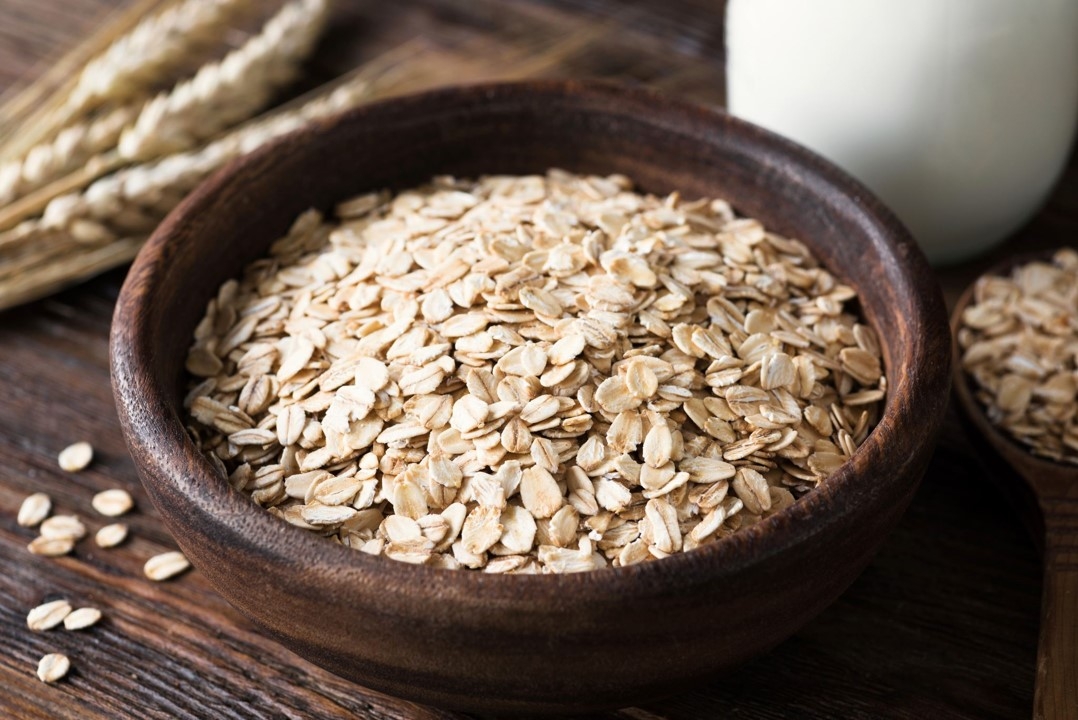
A relatively minor crop, just a little over 2 MMT of oats are globally traded each year. Still, it is an important niche and yet seemingly in decline. This year’s crop is slightly larger than last year’s, but that isn’t saying much since that one was the smallest in over a decade. Most of the exportable oats come from just a handful of countries, with Canada the top dog. It mostly supplies the U.S., which is the top dog of oat importers. This year will be the smallest amount of oats exported by the top five suppliers since 2016/17. The UK and Australia will export slightly more, but not enough to offset the declines from Canada, Russia, and the EU. Europe basically imports about as much as they export, possibly as v...


 Key Takeaways: Demand and capacity decide where milk growth lands. Italian cheese is up 4.2 percent in 2026, and milk output is growing fastest in Kansas, South Dakota and Texas, where the new plants are located. Price spreads decide where the marginal milk goes. The Class IV premium over Clas...


 Markets are caught between reasons to keep selling and reasons to take another look. Fund liquidation and renewed peace talks are pressuring grains, while fresh export business and some diesel relief offer encouragement. Corn recovered nearly 10 cents from its low to finish higher, while soybea...

 Key Takeaways: President Trump announced $8 billion in additional agricultural assistance through the Harvest Fuel Relief Program, as USDA projects farm fuel and oil expenses will increase 28.8 percent in 2026. The package follows $12 billion in earlier relief, while government farm payments w...

From WPI Consulting
Weighing in on strategic realignment

WPI’s team was retained by the governing board of a U.S. industry organization to review a decision, reached by vote, to invest significant assets into the development and management of an export trading company. WPI’s team conducted a formal review of this decision and concluded that the current level of market saturation would limit the benefits of the investment. Based on WPI’s analysis and recommended actions, the board subsequently reversed its decision and undertook a strategic planning effort to identify more impactful investments. On behalf of numerous clients, WPI has not only assisted in identifying strategic paths but also advised their implementation.