
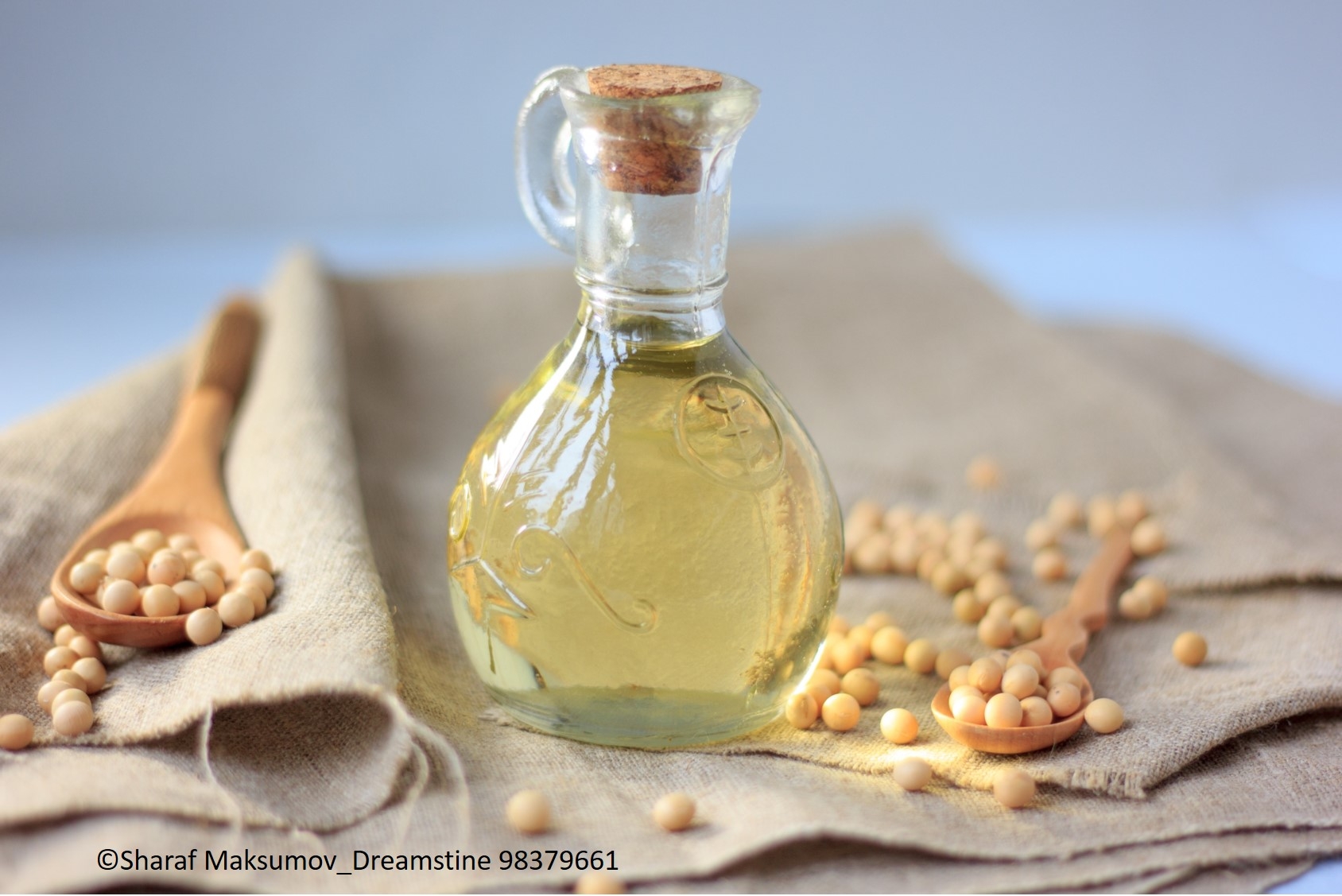
India Considering Proposal to Lower Vegoil Import Tariff Rates The government of India yesterday indicated it is considering reducing tariff rates for imports of vegoils. The initiative is aimed at reducing vegoil prices to consumers since vegoil prices have more than doubled this year. Vegoils contribute a major share of the calories consumed by India’s people, a large share of which are vegetarian. India currently applies tariff rates of 32.5 percent for palm oil and 35 percent for soyoil. The high rates ostensibly are aimed at protecting domestic oilseed producers and processors, but also serve as an important source of revenue to the government. India is the world’s largest importer of vegoils that supply 65 percent of dom...


 What You Need to Know Today: Cattle futures extended their sharp selloff Friday as weakening cash cattle prices, deteriorating feedlot profitability, and reduced packer demand continued to weigh on the market. The inability of futures to sustain a rally following last week's bullish Cattle on...

 Key Takeaways: WPI’s new EU rapeseed crushing margin models point to weaker processing returns over the next four months due to higher rapeseed procurement costs and weaker product values. Statistical forecasts call for German crushing margins to decline from €181/MT to €...
 Key Takeaways: The tariff burden rose sharply in 2025 and 2026: the effective rate on imports in HTS Chapters 1–24 increased from 1.53 percent in 2024 to 6.11 percent in 2025, before averaging 5.68 percent in January–August 2026. Headline rates tell only part of the story: exemptio...

From WPI Consulting
Communicating importance of value-added products

Facing increasing pressure to quantify the value of export promotion efforts to investors, a U.S. industry organization retained WPI to develop a quantitative model that better communicated the importance of exports. The resulting model concluded that value-added meat exports contributed $0.45 cents per bushel to the price of corn, increasing support for that sector’s financial support of WPI’s client. In addition to serving the red meat industry with this type of analysis, WPI has generated similar deliverables for the U.S. soybean and poultry/egg industries.