
Lower Production Forecasts for Canola in Canada and Rapeseed in Europe Two reports released yesterday indicate both Canada and the EU-28 are likely to produce less canola and rapeseed, respectively, this year than earlier expected. In both cases, weather is the main reason. Statistics Canada yesterday lowered its estimate of Canadian canola plantings from 21.3 million acres (8.62 million hectares) to 20 million acres (8.093 million hectares), an 8 percent decline from 2018 and the smallest in three years. This is largely attributable to dry weather during the key planting period. However, another reason is China’s de facto ban on imports of Canadian canola, which drove its prices down. Meanwhile, Thomson Reuters’ commodity re...



 What You Need to Know Today: Commodities were mostly lower across the board today after yesterday’s Federal Reserve meeting hinted at a potential interest rate hike later in 2026. The dollar index reached its highest level in over a year, and a strong dollar makes U.S. agricultural expor...
 Tomorrow is the Juneteenth federal holiday, and the USDA, along with the rest of the federal government and the CME, will be closed, so the monthly Cattle on Feed report was released a day early. The total number of cattle on feed in feedlots with 1,000 head or more capacity on 1 June amounted...

From WPI Consulting
Illuminating the value of technical research
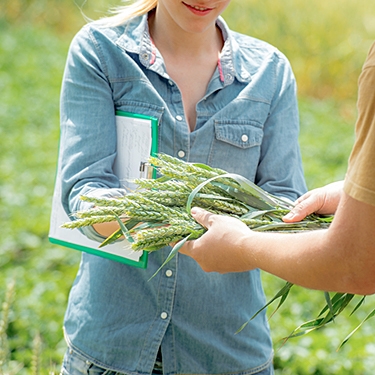
On behalf of a commodity producer organization, WPI evaluated the outputs from a project that featured a $5 million investment into technical research over multiple years. WPI’s team captured the results of this extensive effort and synthesized them for presentation to the organization’s governing board; among the findings uncovered and presented for the first time was the development of genomic traits proven, via rigorous testing, to provide crop yield advantages of 50 percent or more to U.S. farmers in times of drought. Capturing measurable results from long-term efforts can be challenging. Educating clients on the dynamics of success measurement when quantifiable results are not readily available requires deep client-consultant collaboration and an ability to consider both near- and long-term client aspirations with market/policy dynamics – attributes that WPI brings to every consulting engagement.